
One-Day International cricket is a format where every run matters. Bowlers have only 10 overs to stop batters from scoring quickly, and even one expensive over can change the result of a match. While wickets are always important, controlling the flow of runs is just as valuable. This is why the Bowlers with the Best Career Economy Rate in ODIs are considered among the greatest bowlers in cricket history.
The Bowlers with the Best Career Economy Rate in ODIs achieved success through discipline, accuracy, consistency, and smart bowling strategies. Some relied on express pace, while others used swing, seam movement, bounce, or clever variations to trouble batters. Regardless of their bowling style, these players consistently made scoring difficult for the opposition. Their performances helped their teams defend totals and dominate ODI cricket for many years.
List of Bowlers with the Best Career Economy Rate in ODIs
10. Chris Old
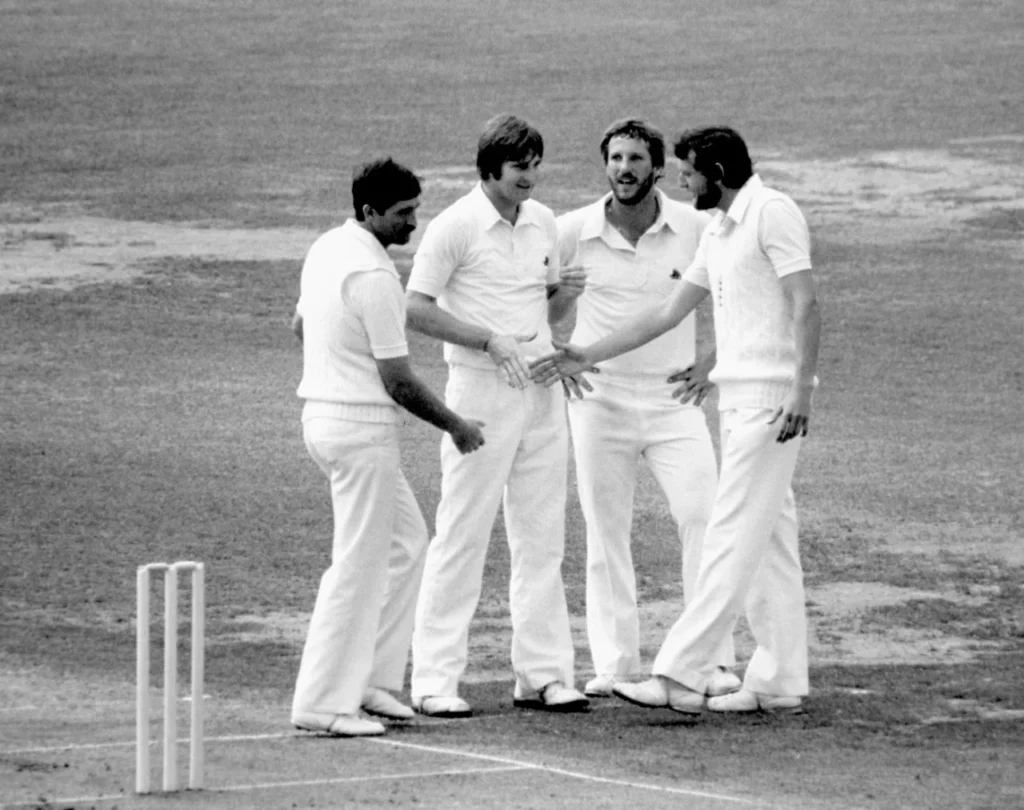
Chris Old begins the list of the Bowlers with the Best Career Economy Rate in ODIs with an outstanding economy rate of 3.41. The England fast bowler represented his country between 1973 and 1981 and became known for his accurate bowling and disciplined approach. Although he played only 32 ODI matches, Old regularly stopped opposition batters from scoring freely and created pressure throughout his bowling spells.
Old relied more on accuracy than raw pace. He consistently bowled on a challenging line and length, forcing batters to play carefully instead of attacking. His disciplined performances helped England in many important matches, while his 45 wickets proved that economical bowling could also produce regular breakthroughs. His ability to control the scoring rate earns him a deserved place among the Bowlers with the Best Career Economy Rate in ODIs.
| Stats | Record |
|---|---|
| Career Span | 1973–1981 |
| Matches | 32 |
| Runs Conceded | 999 |
| Wickets | 45 |
| Best Bowling | 4/8 |
| Economy Rate | 3.41 |
READ MORE: Top 10 Outstanding Bowling Analyses in an Innings in ODIs
9. AIC Dodemaide
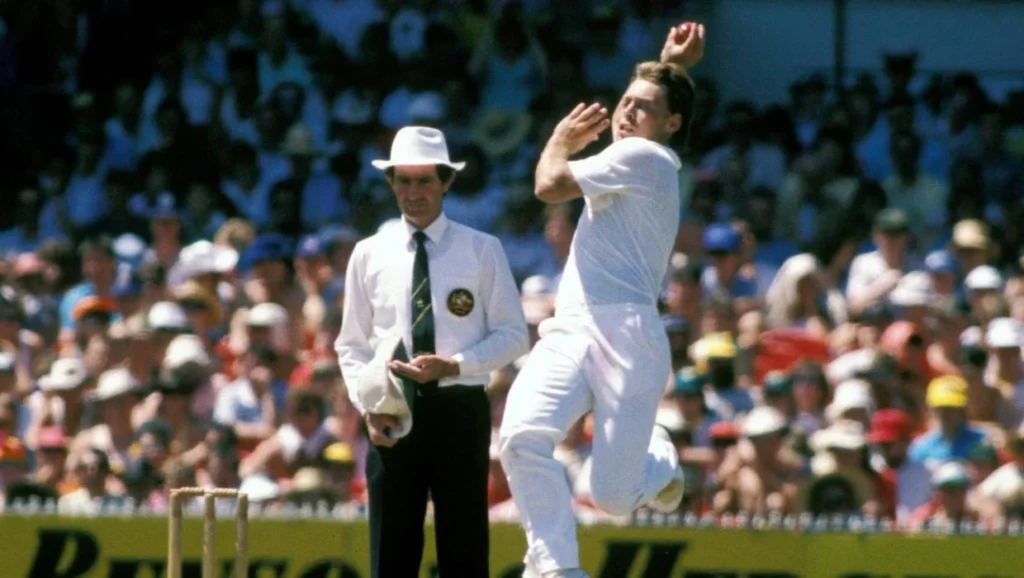
Australian fast bowler AIC Dodemaide ranks ninth among the Bowlers with the Best Career Economy Rate in ODIs. He played ODI cricket from 1988 to 1993 and finished with an impressive economy rate of 3.40. Even though he appeared in only 24 matches, Dodemaide became known for his ability to bowl accurate spells and keep pressure on opposition batters.
Dodemaide rarely gave away easy scoring opportunities. He maintained excellent control over his line and length, making it difficult for batters to score boundaries. His consistency helped him collect 36 wickets during his ODI career, including an outstanding spell of 5/21. His performances clearly show why he remains one of the Bowlers with the Best Career Economy Rate in ODIs.
| Stats | Record |
|---|---|
| Career Span | 1988–1993 |
| Matches | 24 |
| Runs Conceded | 753 |
| Wickets | 36 |
| Best Bowling | 5/21 |
| Economy Rate | 3.40 |
8. Andy Roberts
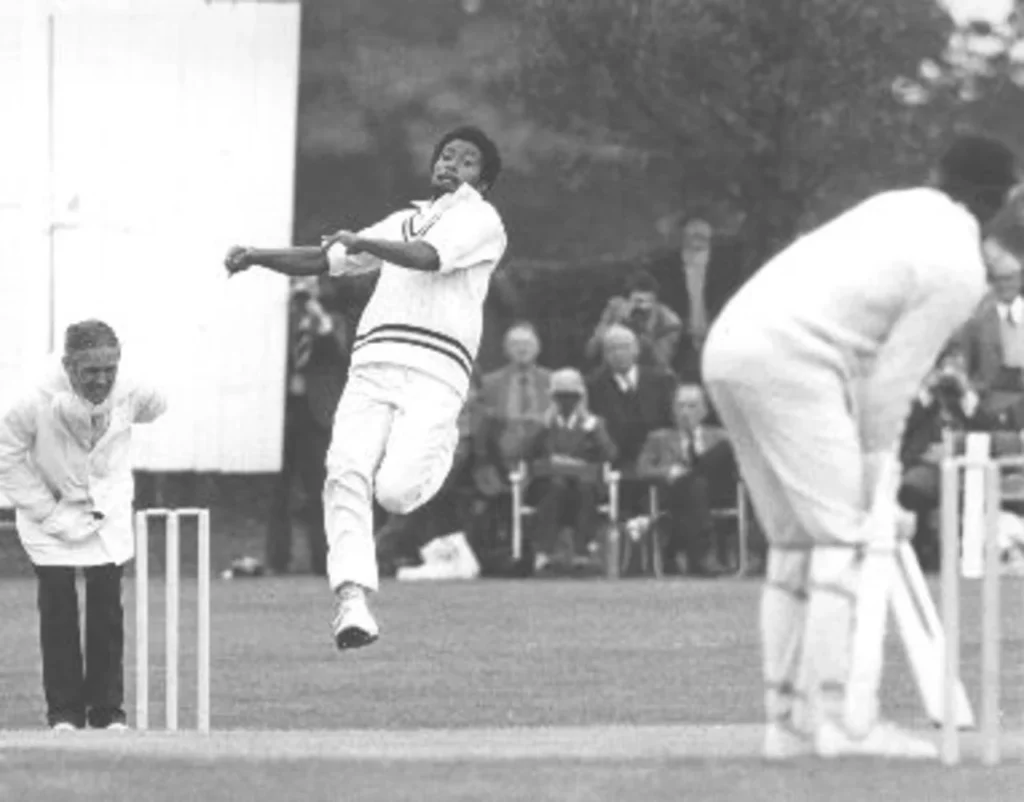
Andy Roberts is one of the greatest fast bowlers in cricket history and comfortably earns his place among the Bowlers with the Best Career Economy Rate in ODIs. Playing for the West Indies between 1975 and 1983, Roberts combined pace, bounce, movement, and exceptional accuracy to dominate ODI cricket. He completed his career with a brilliant economy rate of 3.40, making him one of the toughest bowlers to score against.
Roberts played an important role in the famous West Indies bowling attack that ruled world cricket during the late 1970s and early 1980s. He consistently bowled disciplined spells while taking wickets at crucial moments. Across 56 ODI matches, he claimed 87 wickets and regularly restricted even the strongest batting line-ups. His remarkable consistency places him among the greatest Bowlers with the Best Career Economy Rate in ODIs.
| Stats | Record |
|---|---|
| Career Span | 1975–1983 |
| Matches | 56 |
| Runs Conceded | 1771 |
| Wickets | 87 |
| Best Bowling | 5/22 |
| Economy Rate | 3.40 |
7. Simon Davis

Simon Davis takes seventh place on the list of bowlers with the Best Career Economy Rate in ODIs with an excellent economy rate of 3.37. Representing Australia between 1986 and 1988, Davis built a reputation as a dependable fast bowler who consistently restricted scoring opportunities. Although his international career was relatively short, he made a lasting impression through his economical bowling.
Davis focused on maintaining tight lines instead of searching for spectacular deliveries. His disciplined approach frustrated batters and forced them into mistakes. In over 39 ODI matches, he collected 44 wickets while continuing to keep the run rate under control. His reliable performances make him one of the most underrated Bowlers with the Best Career Economy Rate in ODIs.
| Stats | Record |
|---|---|
| Career Span | 1986–1988 |
| Matches | 39 |
| Runs Conceded | 1133 |
| Wickets | 44 |
| Best Bowling | 3/10 |
| Economy Rate | 3.37 |
6. Michael Holding
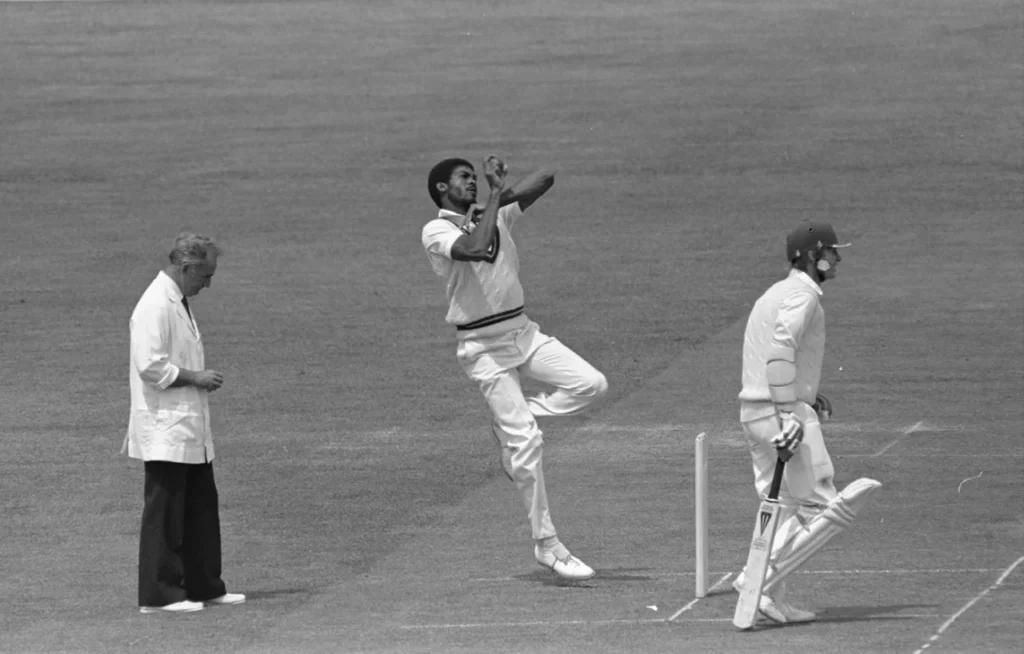
Michael Holding is widely regarded as one of the fastest bowlers the game has ever produced, but he was also one of the Bowlers with the Best Career Economy Rate in ODIs. Despite bowling with express pace, Holding finished his ODI career with an exceptional economy rate of 3.32, proving that speed and control can work together perfectly.
Playing for the West Indies from 1976 to 1987, Holding appeared in 102 ODI matches and became one of the world’s most feared bowlers. His smooth bowling action, outstanding accuracy, and ability to generate bounce made life extremely difficult for batters. Holding claimed 142 wickets and regularly delivered economical spells that helped the West Indies dominate ODI cricket. His performances continue to inspire fast bowlers around the world and firmly secure his place among the Bowlers with the Best Career Economy Rate in ODIs.
| Stats | Record |
|---|---|
| Career Span | 1976–1987 |
| Matches | 102 |
| Runs Conceded | 3033 |
| Wickets | 142 |
| Best Bowling | 5/26 |
| Economy Rate | 3.32 |
5. Sir Richard Hadlee
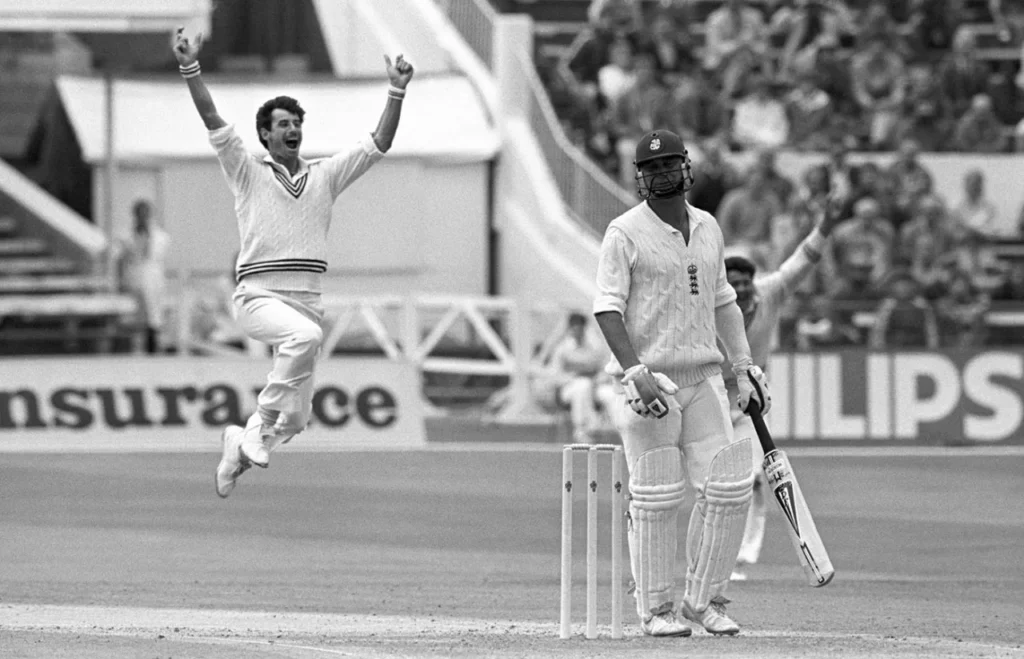
Sir Richard Hadlee ranks fifth among the Bowlers with the Best Career Economy Rate in ODIs after finishing his remarkable ODI career with an economy rate of 3.30. Representing New Zealand from 1973 to 1990, Hadlee became one of the finest all-round fast bowlers in cricket history. His ability to swing the ball both ways, bowl with outstanding accuracy, and maintain consistent pressure made him one of the most reliable bowlers of his generation.
Hadlee’s bowling was built on discipline rather than extreme pace. He regularly forced batters to play defensive shots and rarely offered easy scoring opportunities. Across 115 ODI matches, he picked up 158 wickets and helped New Zealand win many memorable matches. His outstanding control over the scoring rate is one of the biggest reasons he is remembered among the Bowlers with the Best Career Economy Rate in ODIs.
| Stats | Record |
|---|---|
| Career Span | 1973–1990 |
| Matches | 115 |
| Runs Conceded | 3407 |
| Wickets | 158 |
| Best Bowling | 5/25 |
| Economy Rate | 3.30 |
4. Bob Willis
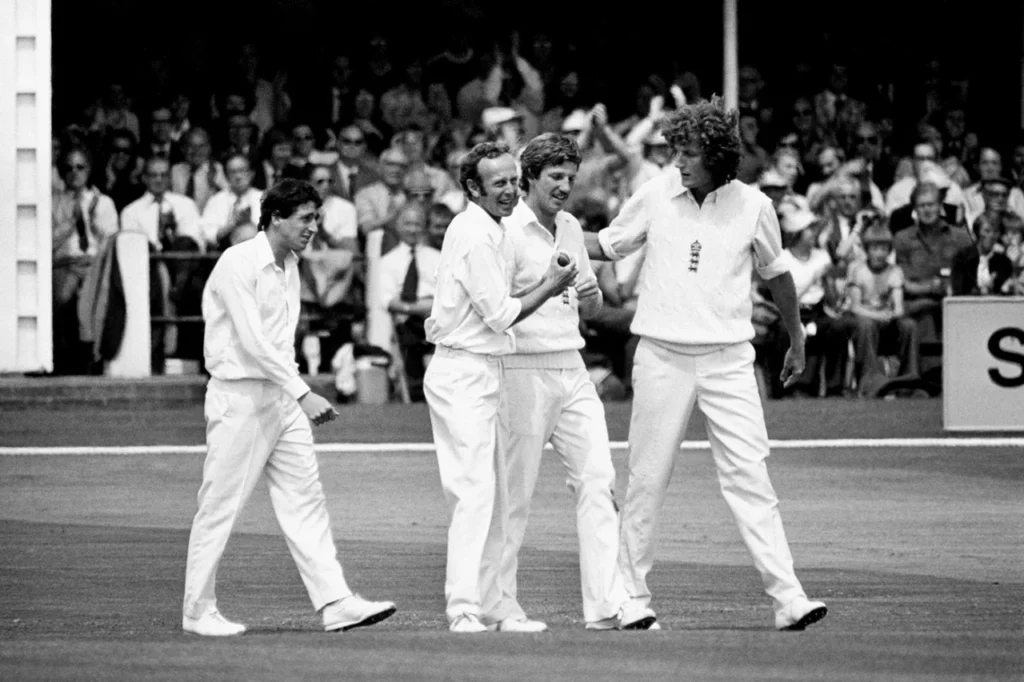
Bob Willis takes fourth place on the list of bowlers with the Best Career Economy Rate in ODIs with an excellent economy rate of 3.28. The England fast bowler played ODI cricket between 1973 and 1984 and became famous for his pace, bounce, and disciplined bowling. His tall frame allowed him to extract extra bounce from the pitch, making life difficult for batters around the world.
Willis consistently bowled accurate spells that restricted the flow of runs while creating wicket-taking opportunities. He appeared in 64 ODI matches and claimed 80 wickets, often breaking important partnerships at crucial moments. His combination of control and consistency helped England in many matches and firmly places him among the Bowlers with the Best Career Economy Rate in ODIs.
| Stats | Record |
|---|---|
| Career Span | 1973–1984 |
| Matches | 64 |
| Runs Conceded | 1968 |
| Wickets | 80 |
| Best Bowling | 4/11 |
| Economy Rate | 3.28 |
3. Mike Hendrick
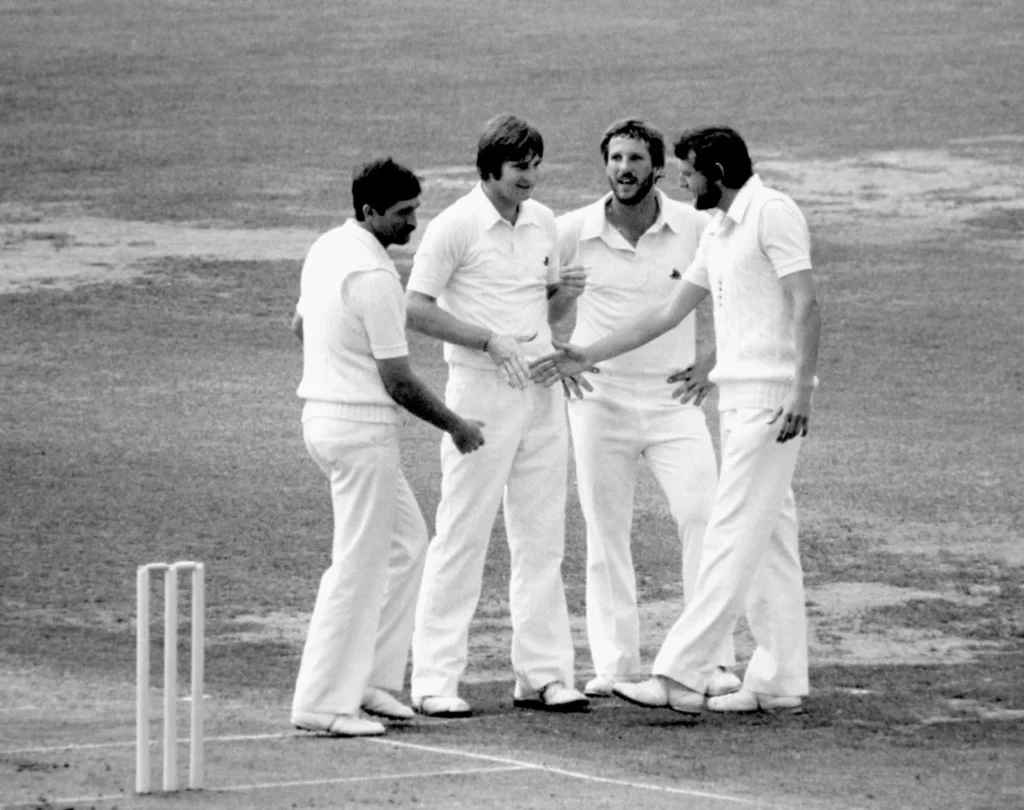
Mike Hendrick occupies third position among the Bowlers with the Best Career Economy Rate in ODIs, thanks to his superb economy rate of 3.27. Although he played only 22 ODI matches for England between 1973 and 1981, he made every appearance count with his disciplined and economical bowling.
Hendrick relied on precision, consistency, and intelligent bowling rather than express pace. His ability to maintain the same line and length throughout his spell made scoring extremely difficult for opposition batters. He finished with 35 wickets and produced a memorable best bowling performance of 5/31. His excellent control over the run rate ensures his place among the greatest Bowlers with the Best Career Economy Rate in ODIs.
| Stats | Record |
|---|---|
| Career Span | 1973–1981 |
| Matches | 22 |
| Runs Conceded | 681 |
| Wickets | 35 |
| Best Bowling | 5/31 |
| Economy Rate | 3.27 |
READ MORE: Top 10 Most Unusual Dismissals in ODI Cricket History
2. Max Walker
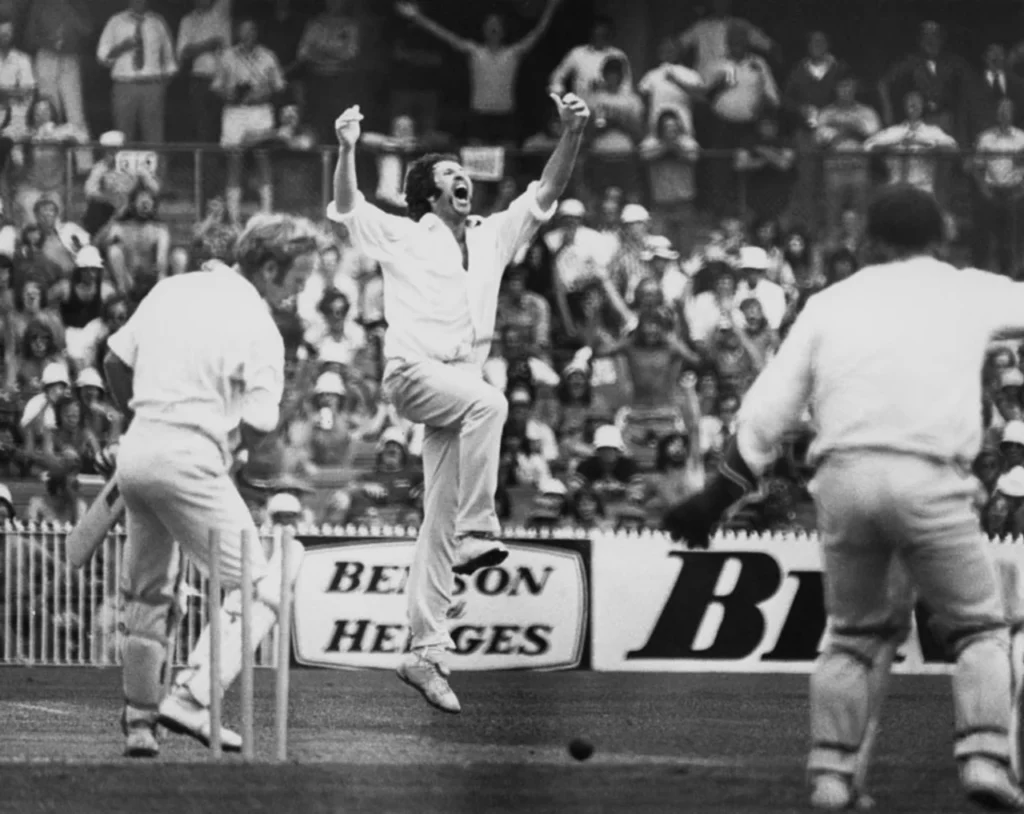
Max Walker ranks second among the Bowlers with the Best Career Economy Rate in ODIs with an outstanding economy rate of 3.25. The Australian fast bowler represented his country from 1974 to 1981 and became known for his disciplined bowling despite playing only 17 ODI matches.
Walker focused on bowling tight spells that prevented batters from scoring freely. His excellent control helped him concede very few runs while still taking important wickets. He finished his international career with 20 wickets and regularly kept pressure on opposition batting line-ups. His remarkable economy rate makes him one of the finest Bowlers with the Best Career Economy Rate in ODIs in the history of the game.
| Stats | Record |
|---|---|
| Career Span | 1974–1981 |
| Matches | 17 |
| Runs Conceded | 546 |
| Wickets | 20 |
| Best Bowling | 4/19 |
| Economy Rate | 3.25 |
1. Joel Garner
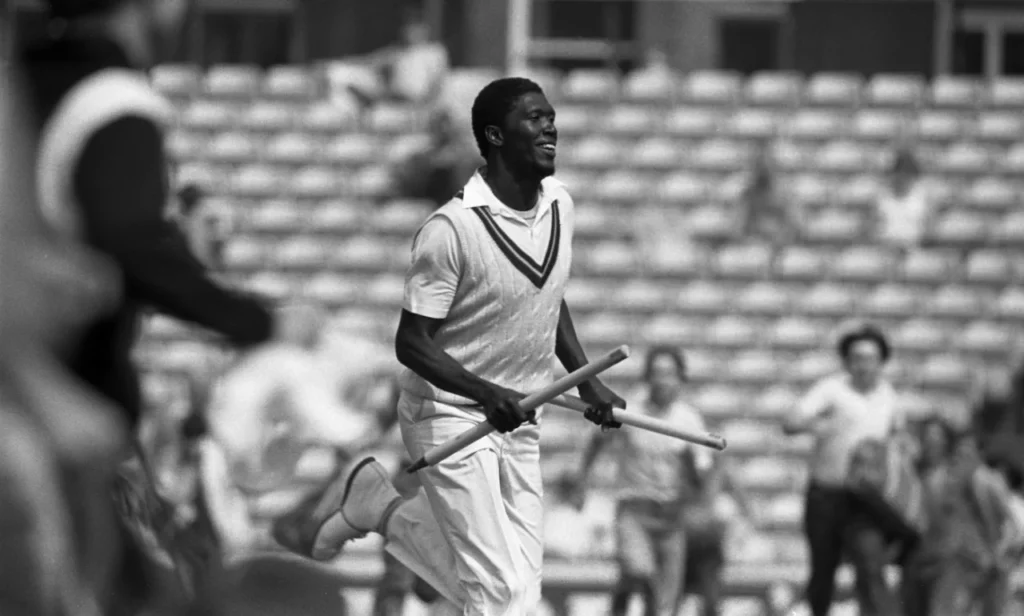
Joel Garner sits at the top of the list of bowlers with the Best Career Economy Rate in ODIs with an incredible economy rate of just 3.09, the best among all bowlers with significant ODI careers. Representing the West Indies from 1977 to 1987, Garner combined exceptional height, steep bounce, deadly yorkers, and remarkable accuracy to become one of the greatest fast bowlers the sport has ever seen.
Standing over six feet eight inches tall, Garner generated an awkward bounce that troubled every batter he faced. His pinpoint yorkers, especially during the closing overs, made it almost impossible for batters to score boundaries. Across 98 ODI matches, Garner collected 146 wickets while conceding very few runs throughout his career. His ability to dominate both new-ball and death-over bowling remains unmatched, and he fully deserves the number one position among the Bowlers with the Best Career Economy Rate in ODIs. Even decades after his retirement, Garner’s record continues to set the benchmark for economical fast bowling in One-Day International cricket.
| Stats | Record |
|---|---|
| Career Span | 1977–1987 |
| Matches | 98 |
| Runs Conceded | 2751 |
| Wickets | 146 |
| Best Bowling | 5/31 |
| Economy Rate | 3.09 |
The Bowlers with the Best Career Economy Rate in ODIs have shown that limiting runs is just as important as taking wickets in One-Day International cricket. Every player on this list built a reputation through exceptional discipline, accuracy, and consistency, making scoring difficult for even the world’s best batters. Although ODI cricket has become increasingly batting-friendly over the years, these legendary bowlers proved that intelligent bowling can still control a match.
Joel Garner rightly tops the list of the Bowlers with the Best Career Economy Rate in ODIs, followed by Max Walker and Mike Hendrick, while Sir Richard Hadlee and Michael Holding also produced outstanding records throughout their careers. Their achievements continue to inspire modern fast bowlers and remind cricket fans that economical bowling is one of the most valuable skills in limited-overs cricket. The records set by these Bowlers with the Best Career Economy Rate in ODIs remain among the finest bowling achievements in the history of ODI cricket.
FAQs
1. What does the economy rate mean in ODI cricket?
Economy rate is the average number of runs a bowler concedes per over in One-Day International cricket. It is calculated by dividing the total runs conceded by the total overs bowled. A lower economy rate means the bowler has been more effective at restricting runs.
2. Who has the best career economy rate in ODI history?
Joel Garner holds the best career economy rate among the Bowlers with the Best Career Economy Rate in ODIs. The legendary West Indies fast bowler finished his ODI career with an outstanding economy rate of 3.09, making him one of the greatest limited-overs bowlers of all time.
3. Why is a low economy rate important in ODI cricket?
A low economy rate helps build pressure on the batting team by limiting scoring opportunities. This often forces batters to take risky shots, leading to wickets. The Bowlers with the Best Career Economy Rate in ODIs have consistently helped their teams by controlling the run rate throughout an innings.
4. Which country has the most bowlers with the best career economy rates in ODIs?
England, Australia, and the West Indies each have several bowlers on the list of the Bowlers with the Best Career Economy Rate in ODIs. These countries have produced many fast bowlers known for their accuracy, discipline, and ability to restrict runs.
5. Which active bowler has one of the best ODI economy rates?
Several active bowlers have impressive ODI economy rates, but players like Jasprit Bumrah, Rashid Khan, and Mohammed Shami are widely regarded as some of the most economical bowlers in modern ODI cricket. However, they still trail some of the legendary Bowlers with the Best Career Economy Rate in ODIs in all-time rankings.