
A bowler’s economy rate is one of the most important statistics in One Day International (ODI) cricket. It measures the average number of runs a bowler concedes per over during their career. A low economy rate usually reflects accuracy, consistency, and the ability to keep batters under pressure. On the other hand, a high economy rate shows that a bowler has struggled to stop the flow of runs, even if they have been successful in taking wickets.
Modern ODI cricket has become increasingly challenging for bowlers. Better batting techniques, powerful bats, shorter boundaries, and aggressive strategies have made run-scoring easier than ever before. As a result, several talented bowlers have found themselves on the Worst Career Economy Rate in ODIs list despite making valuable contributions to their teams. Looking at the Worst Career Economy Rate in ODIs helps cricket fans understand how different match situations and bowling roles can influence a player’s statistics.
List of 10 Bowlers with the Worst Career Economy Rate in ODIs
10. Sam Curran
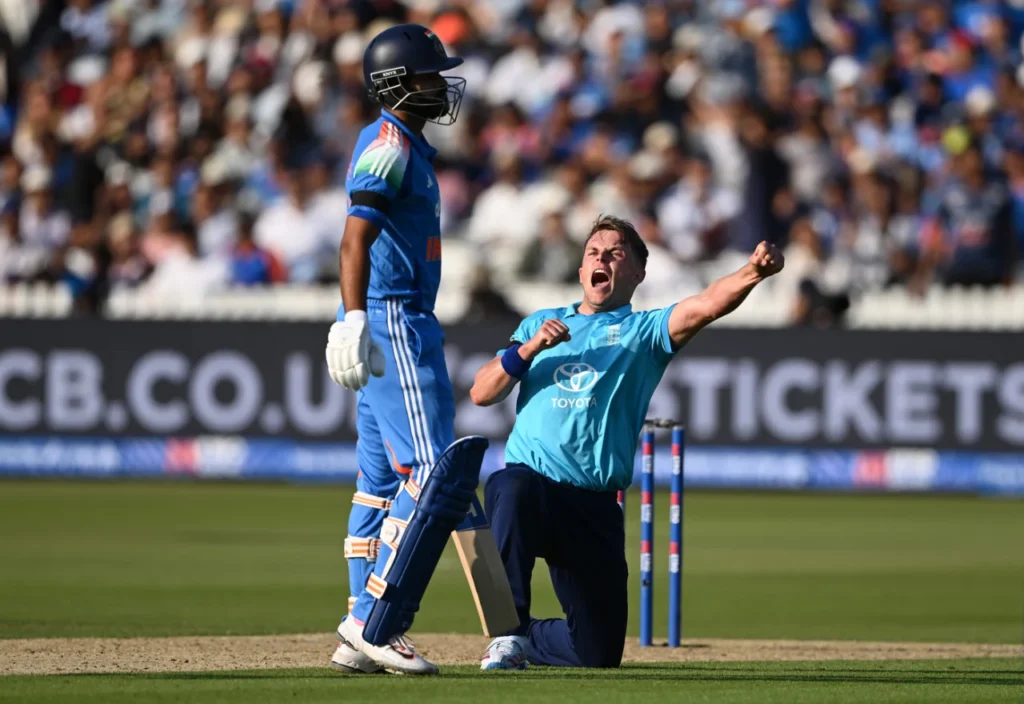
England all-rounder Sam Curran has become one of the most reliable players in white-ball cricket. His ability to swing the new ball, bowl slower deliveries, and contribute useful runs with the bat has made him an important member of the team. However, when discussing the Worst Career Economy Rate in ODIs, Curran’s name regularly appears because he has often been expensive with the ball. His role usually involves bowling during the powerplay and death overs, where batters attack aggressively, making it difficult to maintain a low economy rate.
Despite conceding runs, Curran has continued to deliver important breakthroughs in crucial matches. His left-arm angle and clever variations have helped England dismiss top-order batters at key moments. While his economy rate of 6.15 places him among bowlers with the Worst Career Economy Rate in ODIs, his overall impact cannot be judged by this statistic alone. His ability to take wickets under pressure continues to make him one of England’s most valuable limited-overs players.
| Stats | Record |
|---|---|
| Career Span | 2018–2026 |
| Matches | 44 |
| Runs | 1,557 |
| Wickets | 43 |
| Economy Rate | 6.15 |
| Best Bowling | 5/48 |
9. Pramodya Sandakan
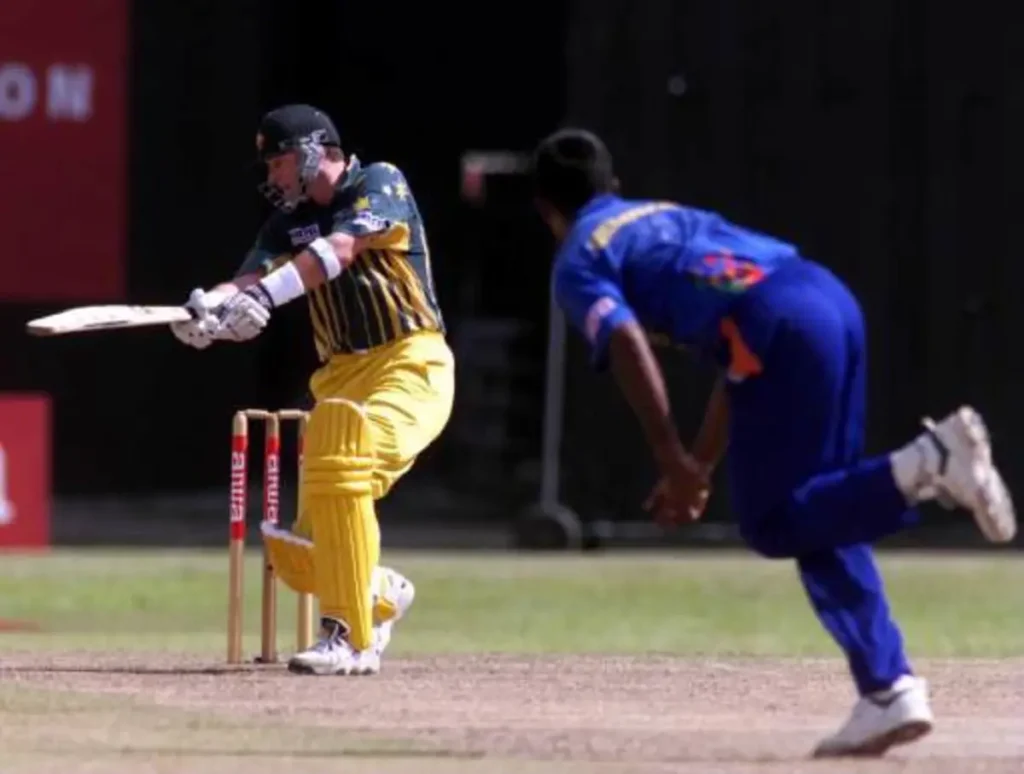
Sri Lankan left-arm wrist spinner Pramodya Sandakan was known for his ability to produce a sharp turn and deceive batters with his variations. His attacking style often created wicket-taking opportunities, but it also allowed batters to score freely whenever they successfully read his deliveries. Because of this aggressive approach, Sandakan is included among bowlers with the Worst Career Economy Rate in ODIs.
Although Sandakan’s economy rate remained high throughout his ODI career, he never stopped attacking. His willingness to flight the ball and challenge batters reflected his confidence as a wicket-taking spinner. The Worst Career Economy Rate in ODIs does not fully represent his bowling ability because he frequently bowled with the intention of taking wickets instead of simply defending runs.
| Stats | Record |
|---|---|
| Career Span | 2016–2021 |
| Matches | 31 |
| Runs | 1,539 |
| Wickets | 27 |
| Economy Rate | 6.20 |
| Best Bowling | 4/52 |
READ MORE: Top 10 Bowlers with the Best Career Economy Rate in ODIs
8. Josh Little
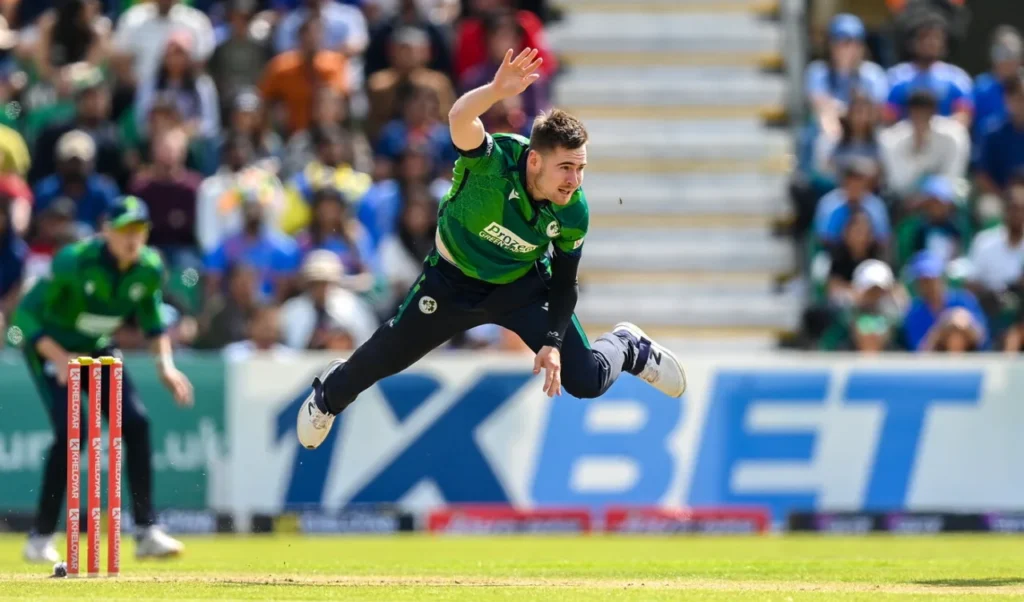
Josh Little has emerged as one of Ireland’s leading fast bowlers in recent years. His pace, accuracy, and ability to swing the ball have helped him produce impressive performances against several top international teams. However, his aggressive bowling style has also resulted in a higher economy rate, placing him on the Worst Career Economy Rate in ODIs list.
Little regularly bowls during the toughest phases of an innings, including the opening powerplay and the death overs, where conceding boundaries is common. Even though he has collected an impressive number of wickets, controlling the scoring rate has remained a challenge. His presence in the Worst Career Economy Rate in ODIs rankings reflects the demanding role he performs for Ireland rather than a lack of bowling quality.
| Stats | Record |
|---|---|
| Career Span | 2019–2025 |
| Matches | 42 |
| Runs | 2,095 |
| Wickets | 61 |
| Economy Rate | 6.21 |
| Best Bowling | 6/36 |
7. Shardul Thakur
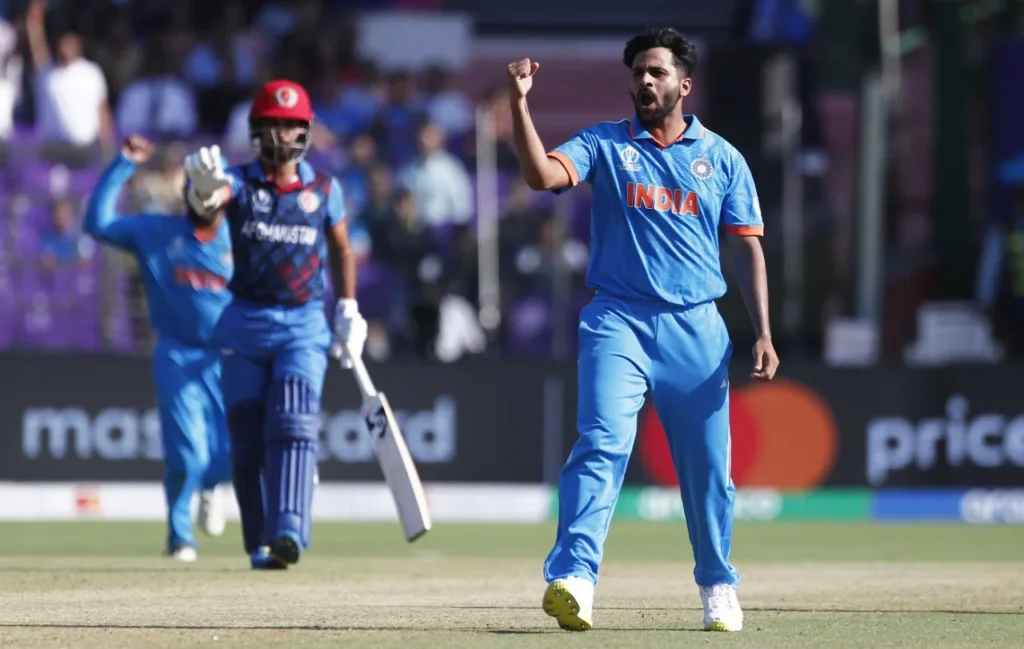
Indian pace-bowling all-rounder Shardul Thakur has built a reputation for taking important wickets in crucial moments. Throughout his ODI career, he has broken dangerous partnerships and helped India regain control during pressure situations. However, his attacking approach has also resulted in expensive bowling spells, which places him among players with the Worst Career Economy Rate in ODIs.
Thakur has never been afraid to bowl aggressively in search of wickets. This positive mindset has often produced success, but it has also increased the number of boundaries scored against him. Although he appears in the Worst Career Economy Rate in ODIs rankings with an economy rate of 6.22, his ability to deliver breakthroughs remains one of his greatest strengths and an important reason why India has continued to trust him in ODI cricket.
| Stats | Record |
|---|---|
| Career Span | 2017–2023 |
| Matches | 47 |
| Runs | 2,014 |
| Wickets | 65 |
| Economy Rate | 6.22 |
| Best Bowling | 4/37 |
6. Jimmy Neesham
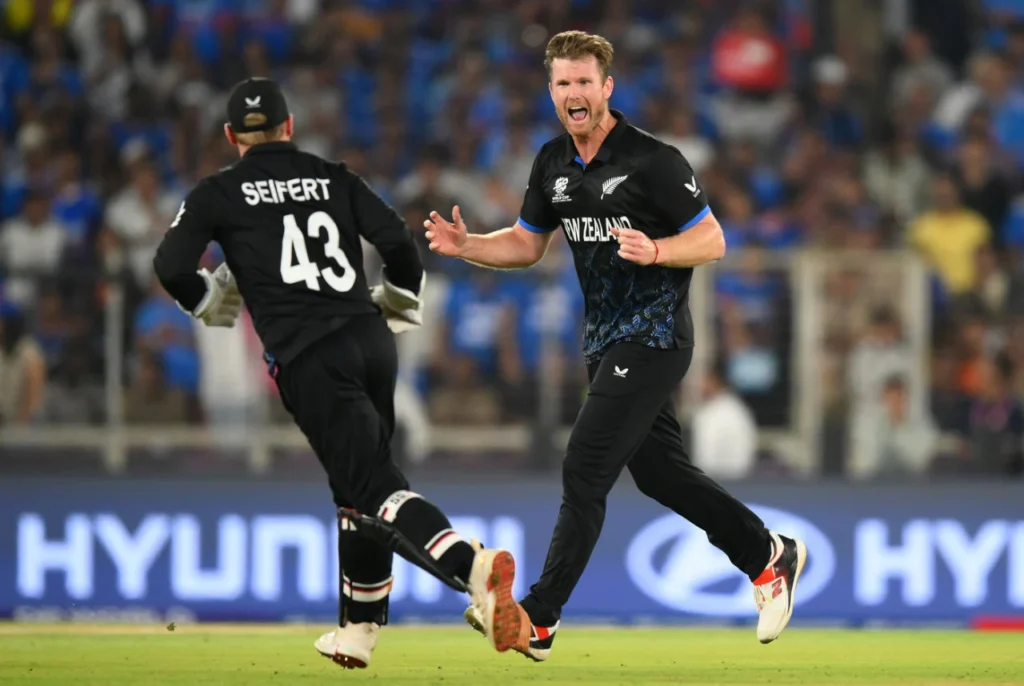
Jimmy Neesham has been an important all-rounder for New Zealand in ODI cricket. While he is widely known for his powerful batting, he has also contributed valuable overs with his medium pace. However, bowling during challenging match situations has affected his economy rate, earning him a place among bowlers with the Worst Career Economy Rate in ODIs.
Neesham has often been used as a partnership breaker and a bowler capable of delivering useful overs in the middle and final stages of an innings. Although he has conceded runs at an economy rate of 6.26, he has also claimed several important wickets and played key roles in New Zealand’s success. His inclusion in the Worst Career Economy Rate in ODIs highlights how difficult modern ODI bowling has become, especially for all-rounders who are regularly asked to bowl in high-pressure situations.
| Stats | Record |
|---|---|
| Career Span | 2013–2023 |
| Matches | 76 |
| Runs | 2,556 |
| Wickets | 71 |
| Economy Rate | 6.26 |
| Best Bowling | 5/27 |
5. Marco Jansen
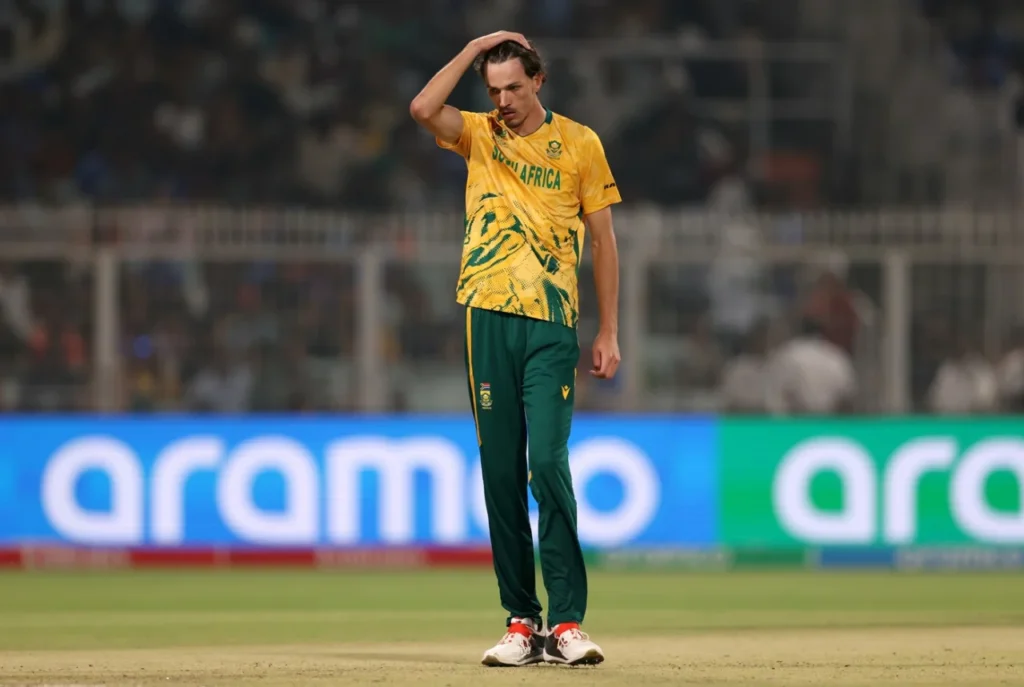
South African fast bowler Marco Jansen has quickly become one of the most exciting pace bowlers in international cricket. Standing well over six feet tall, he uses his height to generate steep bounce and movement, making life difficult for batters. However, his attacking style has also made him one of the bowlers with the Worst Career Economy Rate in ODIs. Jansen is often asked to bowl during the powerplay and at the death, where the chances of conceding boundaries are much higher.
Despite having one of the worst career economy rates in ODIs, Jansen has consistently delivered important breakthroughs for South Africa. His ability to move the new ball and extract bounce has earned him wickets against some of the world’s best batters. His economy rate reflects the aggressive role he plays rather than his overall effectiveness, proving that attacking bowlers often sacrifice economy in search of wickets.
| Stats | Record |
|---|---|
| Career Span | 2022–2025 |
| Matches | 32 |
| Runs | 1,639 |
| Wickets | 49 |
| Economy Rate | 6.28 |
| Best Bowling | 5/39 |
4. Brydon Carse
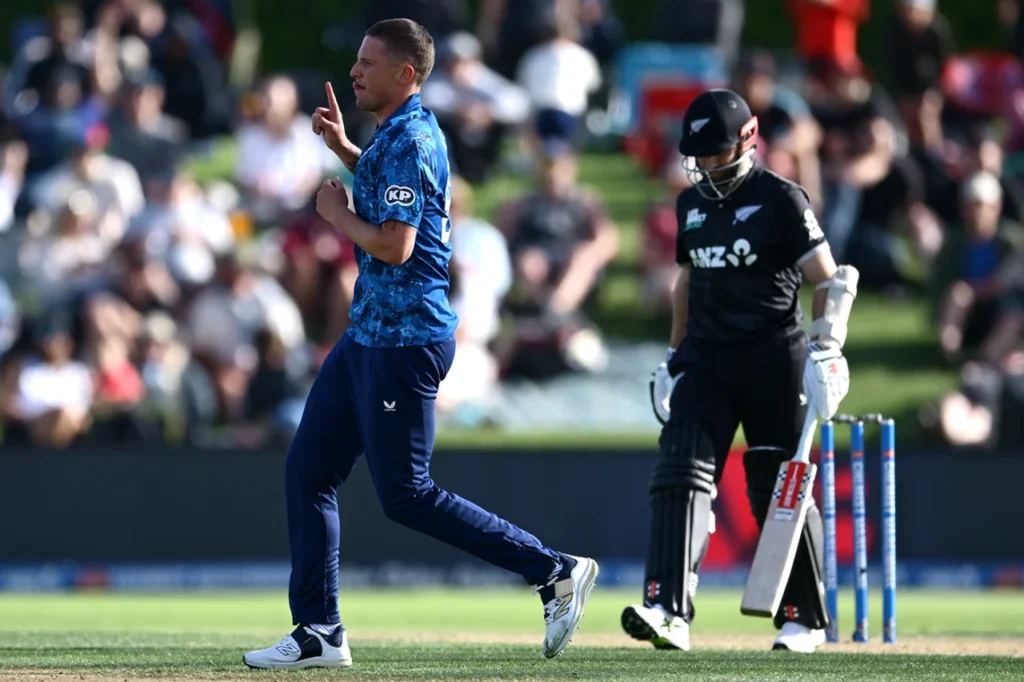
England fast bowler Brydon Carse has impressed with his pace, aggression, and ability to trouble batters on different surfaces. Since making his ODI debut, he has produced several memorable performances, including a five-wicket haul. However, his attacking approach has also resulted in expensive spells, placing him among players with the Worst Career Economy Rate in ODIs.
Carse is usually selected because he attacks the stumps and looks for wickets instead of simply defending runs. This positive mindset has helped England break partnerships, but it has also increased its economy rate to 6.34. His place on the Worst Career Economy Rate in ODIs list highlights how difficult it can be for fast bowlers who regularly bowl during high-scoring phases of an ODI innings.
| Stats | Record |
|---|---|
| Career Span | 2021–2025 |
| Matches | 30 |
| Runs | 1,375 |
| Wickets | 34 |
| Economy Rate | 6.34 |
| Best Bowling | 5/61 |
3. Jade Dernbach
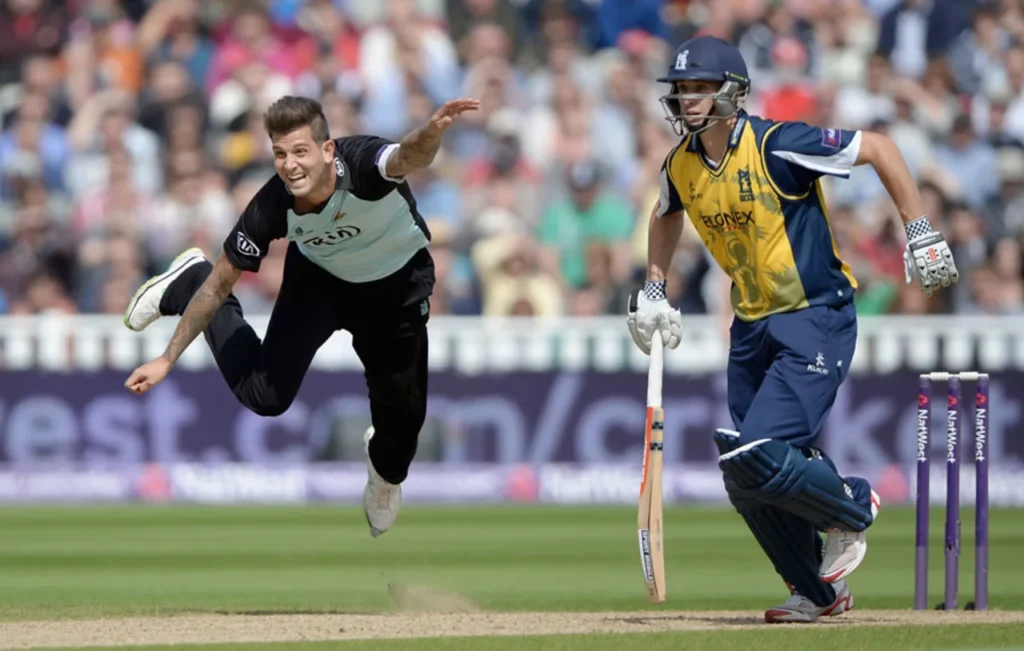
Former England fast bowler Jade Dernbach was well known for his slower balls, cutters, and a wide range of variations. These skills helped him take wickets during the closing stages of ODI innings, but they also resulted in many expensive overs when batters successfully picked his deliveries. As a result, Dernbach appears among bowlers with the Worst Career Economy Rate in ODIs.
Although Dernbach’s economy rate remained high, he continued to play an important role for England because of his wicket-taking ability. He frequently bowled during the final overs, where conceding boundaries is almost unavoidable in modern ODI cricket. The Worst Career Economy Rate in ODIs should therefore be viewed alongside the difficult role he performed throughout his international career.
| Stats | Record |
|---|---|
| Career Span | 2011–2013 |
| Matches | 24 |
| Runs | 1,308 |
| Wickets | 31 |
| Economy Rate | 6.35 |
| Best Bowling | 4/45 |
READ MORE: Top 10 Outstanding Bowling Analyses in an Innings in ODIs
2. Lahiru Kumara
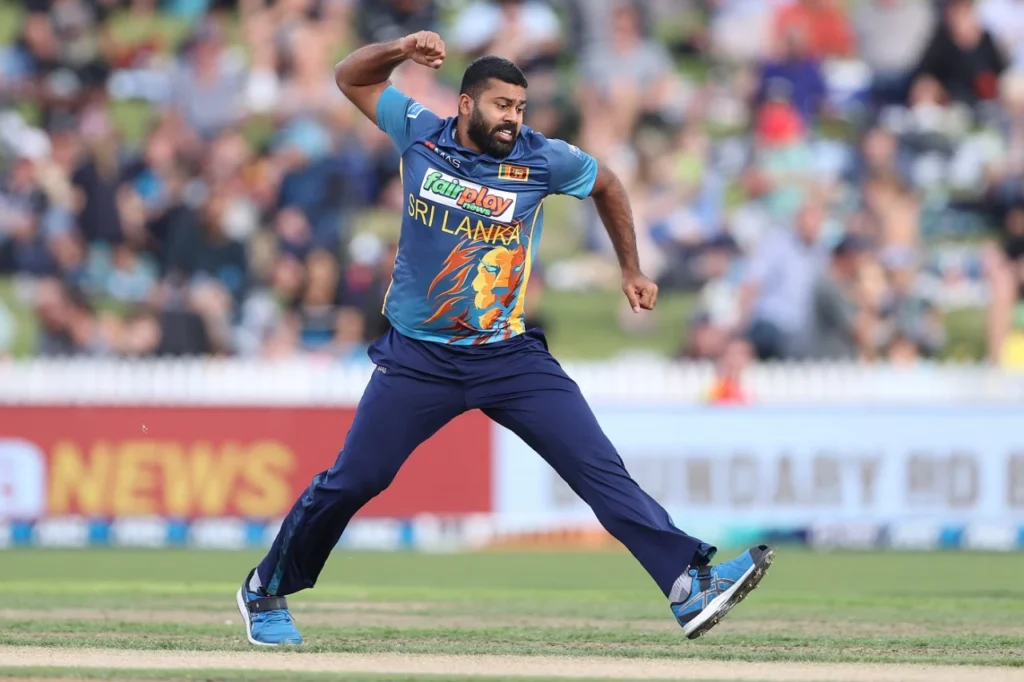
Sri Lankan fast bowler Lahiru Kumara has built his reputation around genuine pace and aggressive bowling. His ability to generate extra bounce and challenge top-order batters has made him an important member of Sri Lanka’s bowling attack. However, bowling at high speed often comes with risks, and Kumara has frequently conceded runs while searching for wickets. This has placed him among bowlers with the Worst Career Economy Rate in ODIs.
Even though Kumara owns one of the worst career economy rates in ODIs, he has delivered several match-winning spells throughout his career. His attacking mindset allows him to dismiss quality batters, making him a valuable wicket-taking option despite his expensive bowling figures. His career shows that an aggressive fast bowler can still have a major impact on matches even with a high economy rate.
| Stats | Record |
|---|---|
| Career Span | 2017–2025 |
| Matches | 32 |
| Runs | 1,403 |
| Wickets | 42 |
| Economy Rate | 6.48 |
| Best Bowling | 4/48 |
1. Peter Chase
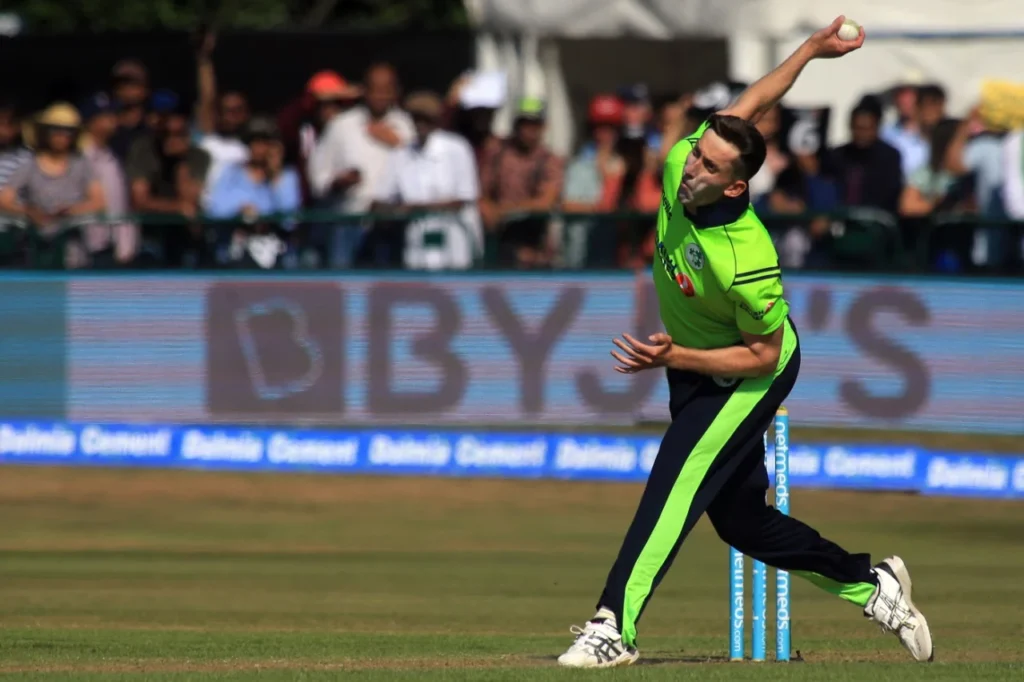
Irish fast bowler Peter Chase sits at the top of the Worst Career Economy Rate in ODIs rankings. Throughout his ODI career, Chase relied on pace and attacking lines to challenge opposition batters. While this approach helped him claim important wickets, it also led to a significant number of runs being scored against him. His career economy rate of 6.57 remains the highest among qualified bowlers, giving him the record for the Worst Career Economy Rate in ODIs.
Although Peter Chase holds the unwanted record for the Worst Career Economy Rate in ODIs, his career should not be judged by this statistic alone. He represented Ireland with commitment and regularly bowled against stronger international batting line-ups. His wicket tally and aggressive intent demonstrated his willingness to attack rather than simply contain runs. The Worst Career Economy Rate in ODIs highlights only one aspect of his career, while his determination and contributions to Irish cricket remain equally important.
| Stats | Record |
|---|---|
| Career Span | 2015–2018 |
| Matches | 25 |
| Runs | 1,356 |
| Wickets | 34 |
| Economy Rate | 6.57 |
| Best Bowling | 3/33 |
The Worst Career Economy Rate in ODIs is a statistical record that reflects how many runs bowlers have conceded on average per over during their ODI careers. However, the Worst Career Economy Rate in ODIs should never be used as the only measure of a bowler’s quality. Many players on this list regularly bowled during the powerplay, middle overs, or death overs against some of the world’s strongest batting line-ups, where conceding runs is often unavoidable.
Several bowlers featured in the Worst Career Economy Rate in ODIs rankings have delivered match-winning performances, taken crucial wickets, and played vital roles for their national teams. Their aggressive bowling styles often prioritized breakthroughs over economy, which naturally increased their run rate. As ODI cricket continues to become more batting-friendly, the Worst Career Economy Rate in ODIs remains an interesting record that demonstrates the challenges modern bowlers face while trying to balance wicket-taking with controlling the scoring rate
Frequently Asked Questions (FAQs)
1. What is the Worst Career Economy Rate in ODIs?
The Worst Career Economy Rate in ODIs refers to the highest average number of runs conceded per over by a bowler during their ODI career, provided they meet the required qualification criteria. It highlights bowlers who have found it difficult to restrict the scoring rate over a long period.
2. Does having the Worst Career Economy Rate in ODIs mean a bowler is poor?
No. A bowler with the Worst Career Economy Rate in ODIs is not necessarily a poor bowler. Many of these players were attacking bowlers who regularly bowled in the powerplay or death overs, where conceding runs is more common. Several have also taken important wickets and won matches for their teams.
3. Who has the Worst Career Economy Rate in ODIs?
Among qualified bowlers, Peter Chase of Ireland has the Worst Career Economy Rate in ODIs, with an economy rate of 6.57 runs per over during his ODI career.
4. Why do some good bowlers appear on the Worst Career Economy Rate in ODIs list?
Many talented bowlers appear on the Worst Career Economy Rate in ODIs list because they bowl during the most difficult stages of an innings, such as the powerplay and death overs. Their primary role is often to take wickets rather than simply prevent runs, which can increase their economy rate.
5. How is the economy rate calculated in ODI cricket?
A bowler’s economy rate is calculated by dividing the total runs conceded by the total overs bowled. For example, if a bowler concedes 60 runs in 10 overs, their economy rate is 6.00. This statistic is used to compare how effectively bowlers control the scoring rate in ODI cricket.