

In One Day International cricket, controlling the flow of runs can be just as influential as taking wickets. A bowler who consistently delivers dot balls, maintains disciplined lines, and limits scoring options can create pressure that eventually produces mistakes. The Best Economy Rate performances in ODI history demonstrate how accuracy and patience can transform a bowling spell. These figures include outstanding displays from fast bowlers, spinners, and all-rounders across different eras of international cricket.
The following list highlights ten remarkable ODI spells based on the source material, with each bowler producing an exceptionally low economy rate during a single innings. Some performances featured several wickets, while others were built primarily around maiden overs and relentless run prevention. Together, they demonstrate why the Best Economy Rate figures remain an important part of ODI bowling records.
10. Sunil Joshi
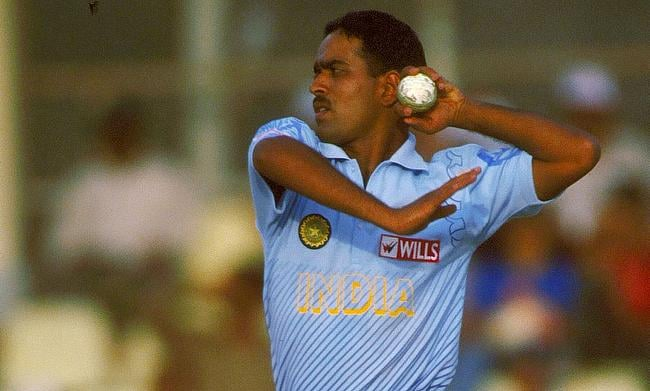
Sunil Joshi produced an extraordinary spell for India against South Africa in Nairobi on 26 September 1999. The left-arm spinner completed his full ten-over allocation and conceded only six runs while claiming five wickets. His ability to repeatedly land the ball in accurate areas prevented the South African batters from finding regular scoring opportunities. The spell combined wicket-taking impact with remarkable run control and remains one of the notable examples of the Best Economy Rate in an ODI innings. Joshi continually increased pressure through tight bowling, eventually forcing the opposition into errors.
| Player | Maidens | Runs | Wickets | Economy |
|---|---|---|---|---|
| Sunil Joshi | 6 | 6 | 5 | 0.60 |
9. Kapil Dev
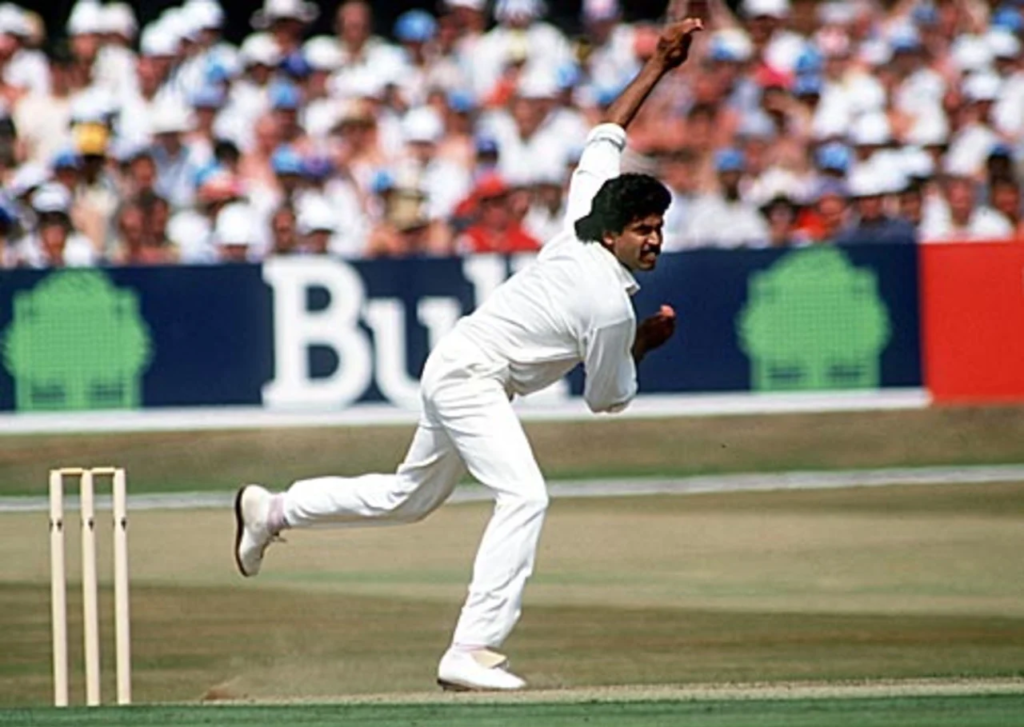
Kapil Dev delivered an exceptional economical spell against the West Indies in Port of Spain on 9 March 1989. He bowled seven overs and conceded only four runs without taking a wicket. Despite not adding a dismissal to his figures, his disciplined seam bowling made it difficult for the West Indies batting lineup to score freely. Kapil repeatedly maintained a testing line and avoided loose deliveries, demonstrating that the Best Economy Rate figures do not always require a high wicket tally. His spell remains an outstanding example of pressure created through accuracy.
| Player | Maidens | Runs | Wickets | Economy |
|---|---|---|---|---|
| Kapil Dev | 4 | 4 | 0 | 0.57 |
8. Bernard Scholtz

Namibia spinner Bernard Scholtz produced an outstanding performance against the United States in Port Moresby on 15 September 2022. He bowled 8.5 overs, gave away only five runs, and took three wickets. Scholtz maintained exceptional control throughout his spell, repeatedly attacking the stumps and forcing the American batters to play defensively. His four maiden overs added further pressure and restricted the opposition’s ability to build partnerships. With an economy rate of 0.56, the performance stands among the Best Economy Rate spells highlighted in ODI cricket.
| Player | Maidens | Runs | Wickets | Economy |
|---|---|---|---|---|
| Bernard Scholtz | 4 | 5 | 3 | 0.56 |
7. Wasim Akram

Pakistan fast-bowling great Wasim Akram recorded an exceptional spell against India in Sharjah on 5 December 1986. He bowled 7.2 overs and conceded only four runs while taking two wickets. His ability to combine pace, movement, and accuracy made it extremely difficult for the Indian batters to score. Akram kept the pressure constant and used swing to challenge the batters throughout his spell. His economy rate of 0.54 places this performance among the notable Best Economy Rate records from ODI cricket.
| Player | Maidens | Runs | Wickets | Economy |
|---|---|---|---|---|
| Wasim Akram | 4 | 4 | 2 | 0.54 |
6. Saurabh Netravalkar

United States fast bowler Saurabh Netravalkar produced an outstanding spell against the United Arab Emirates in Dubai on 3 November 2025. He completed eight overs, conceded only four runs, and collected three wickets. Rather than relying solely on pace, Netravalkar focused on consistent areas and made scoring opportunities difficult to find. His control helped prevent the UAE from developing partnerships and kept pressure on the batting side. The resulting economy rate of 0.50 makes the spell another entry among the Best Economy Rate performances in the source list.
| Player | Maidens | Runs | Wickets | Economy |
|---|---|---|---|---|
| Saurabh Netravalkar | 4 | 4 | 3 | 0.50 |
5. Curtly Ambrose
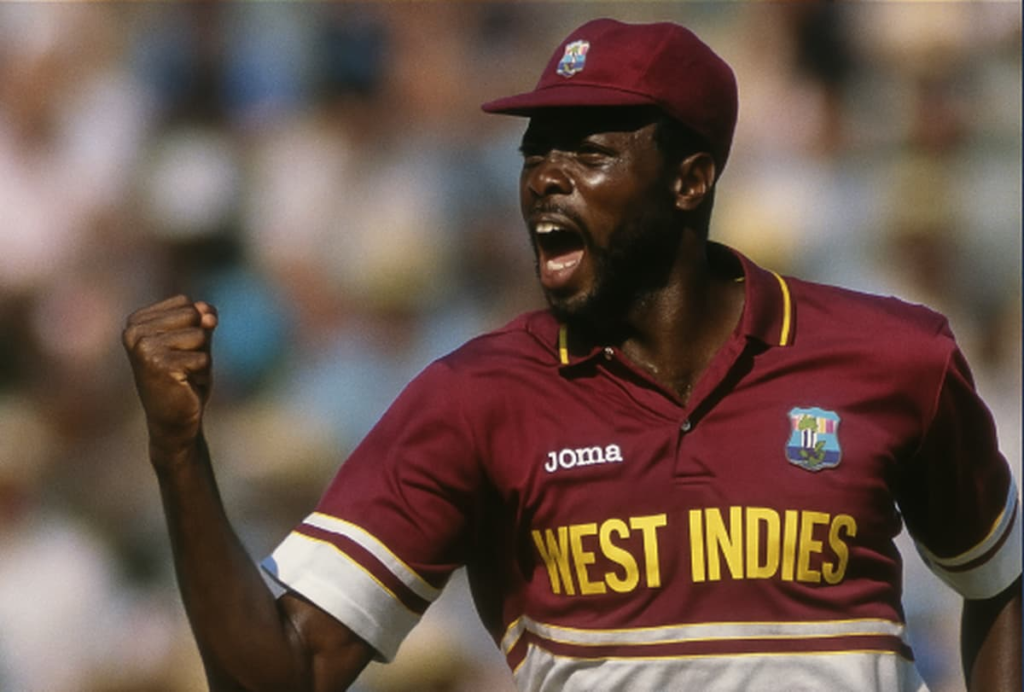
Curtly Ambrose was renowned for his accuracy and ability to maintain pressure over extended spells. Against Sri Lanka in Sharjah on 13 October 1999, the West Indies fast bowler completed ten overs while conceding just five runs and taking one wicket. His disciplined line made boundaries extremely difficult to find, while his consistent lengths restricted easy singles. Although his wicket tally was modest, the extraordinary run control resulted in an economy rate of 0.50. This performance remains an excellent illustration of the Best Economy Rate achieved through sustained accuracy.
| Player | Maidens | Runs | Wickets | Economy |
|---|---|---|---|---|
| Curtly Ambrose | 5 | 5 | 1 | 0.50 |
4. Bishan Singh Bedi
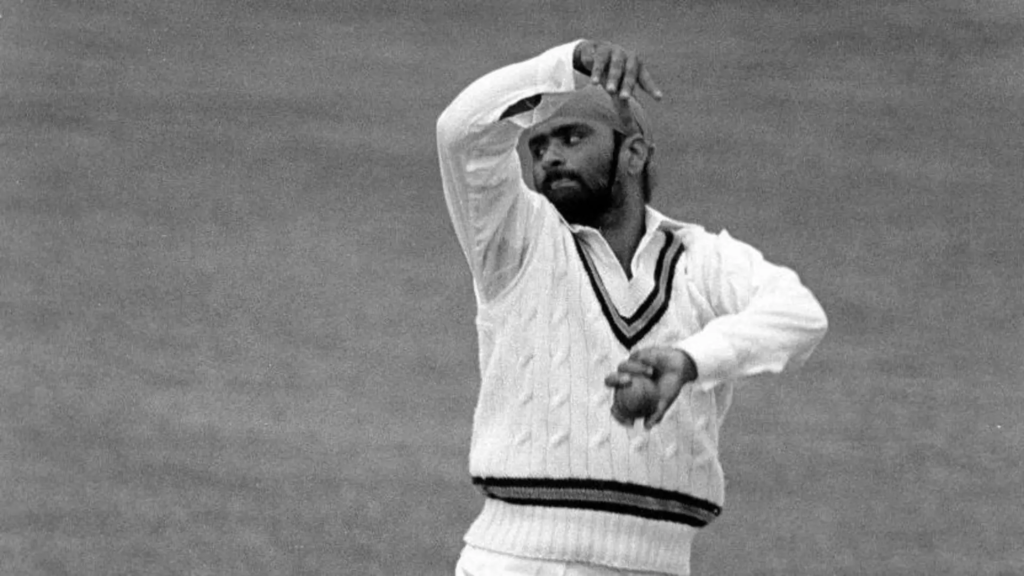
Indian spin legend Bishan Singh Bedi produced a memorable performance against East Africa during the 1975 Cricket World Cup in Leeds. At that time, bowlers could deliver twelve overs, and Bedi completed his entire spell with eight maidens. He conceded only six runs and claimed one wicket. His control, flight, and ability to repeatedly bowl in challenging areas left the opposition with very few scoring opportunities. With an economy rate of 0.50, Bedi’s spell remains one of the most remarkable examples of the Best Economy Rate in a World Cup setting.
| Player | Maidens | Runs | Wickets | Economy |
|---|---|---|---|---|
| Bishan Singh Bedi | 8 | 6 | 1 | 0.50 |
3. Derek Reeve
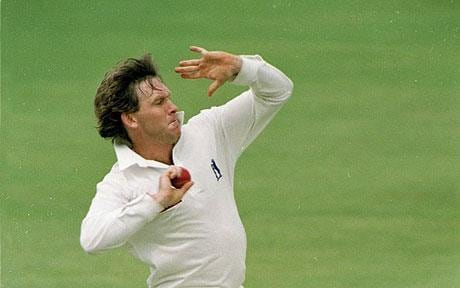
England all-rounder Derek Reeve produced an exceptionally economical spell against Pakistan in Adelaide on 1 March 1992 during the Cricket World Cup. He bowled five overs, conceded only two runs, and took one wicket. His medium pace and accurate line prevented Pakistan from scoring freely during his short spell. Despite bowling fewer overs than several other names on this list, Reeve’s control was exceptional. His economy rate of 0.40 places the performance firmly among the Best Economy Rate spells featured here.
| Player | Maidens | Runs | Wickets | Economy |
|---|---|---|---|---|
| Derek Reeve | 3 | 2 | 1 | 0.40 |
2. Phil Simmons
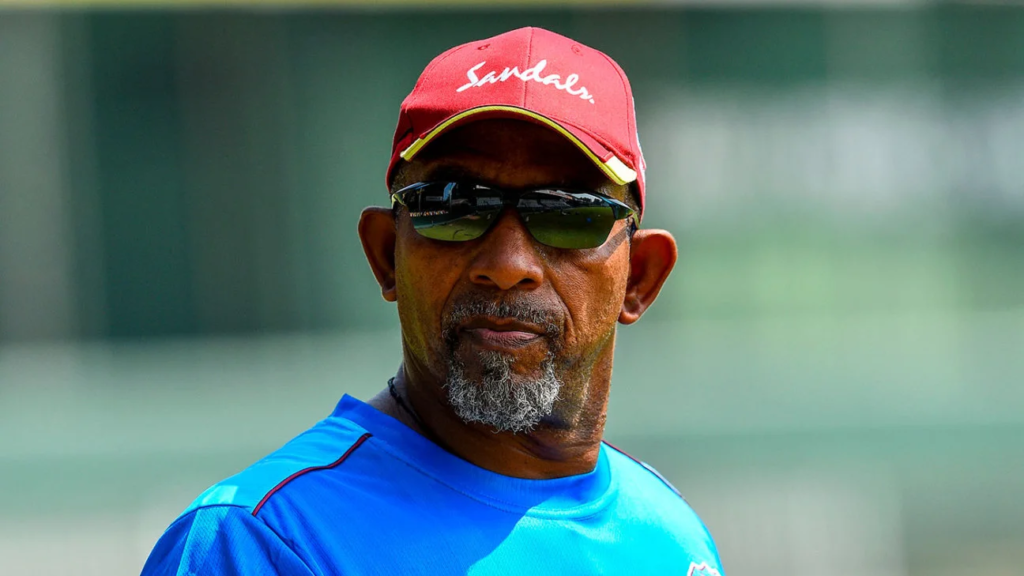
Former West Indies all-rounder Phil Simmons delivered an extraordinary performance against Pakistan in Sydney on 17 December 1992. He bowled ten overs and produced eight maiden overs while conceding just three runs and taking four wickets. Simmons combined exceptional accuracy with intelligent variations, leaving Pakistan’s batters with almost no room to attack. The pressure generated throughout his spell eventually produced crucial wickets. His economy rate of only 0.30 makes this one of the most extraordinary Best Economy Rate performances in ODI cricket.
| Player | Maidens | Runs | Wickets | Economy |
|---|---|---|---|---|
| Phil Simmons | 8 | 3 | 4 | 0.30 |
1. Sean Abbott
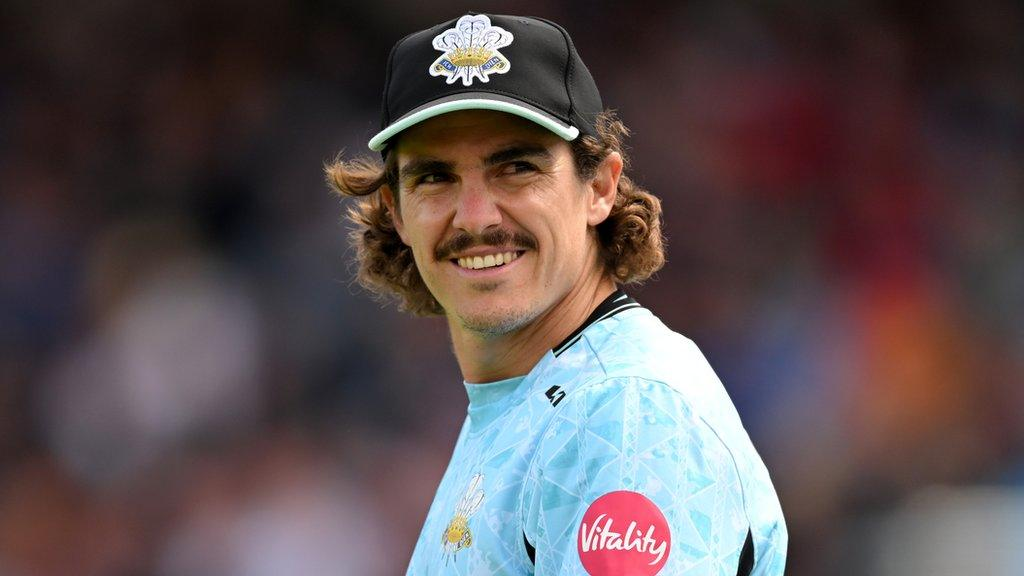
Australian fast bowler Sean Abbott produced the lowest economy rate featured in the source material during Australia’s match against New Zealand in Cairns on 8 September 2022. Abbott bowled five overs, delivered four maidens, conceded only one run, and claimed two wickets. His disciplined pace bowling prevented New Zealand from finding consistent scoring opportunities and created pressure from the beginning of his spell. With an economy rate of just 0.20, Abbott’s figures represent the standout entry among the Best Economy Rate performances covered in this list.
| Player | Maidens | Runs | Wickets | Economy |
|---|---|---|---|---|
| Sean Abbott | 4 | 1 | 2 | 0.20 |
FAQs
What does economy rate mean in ODI cricket?
Economy rate measures the average number of runs a bowler concedes per over. A lower figure indicates that the bowler has restricted scoring effectively during the spell.
Does a bowler need wickets to record a low economy rate?
No. A bowler can produce an extremely economical spell without taking wickets. Kapil Dev’s performance in this list is an example, as he conceded only four runs without dismissing a batter.
Who has the lowest economy rate in this list?
According to the source material, Sean Abbott recorded the lowest economy rate, with figures of 0.20 from his five-over spell against New Zealand.
How are the Best Economy Rate performances achieved?
The Best Economy Rate figures generally come from accurate bowling, frequent maiden overs, disciplined lengths, limited boundary opportunities, and consistent pressure on the batting team.