
The Best Bowling Economy Rates in Australia vs India ODIs highlight the bowlers who have maintained the strongest control over scoring throughout the history of this important ODI rivalry. Economy rate is one of the key bowling statistics in One Day International cricket because it measures the number of runs a bowler concedes per over. A lower economy rate generally indicates that a bowler has been successful in restricting the opposition and creating pressure without allowing easy runs.
The Best Bowling Economy Rates in Australia vs India ODIs feature several legendary bowlers from both countries. India has produced some outstanding economical performers, including Kapil Dev, Ravi Shastri, Anil Kumble, Javagal Srinath and Harbhajan Singh. Australia is represented by Craig McDermott, Glenn McGrath, Brett Lee, Damien Fleming and Steve Waugh. Based on the supplied statistics, Kapil Dev leads the ranking with an economy rate of 3.67, while Ravi Shastri follows closely with 3.80.
List of 10 Best Bowling Economy Rates in Australia vs India ODIs
10. SR Waugh
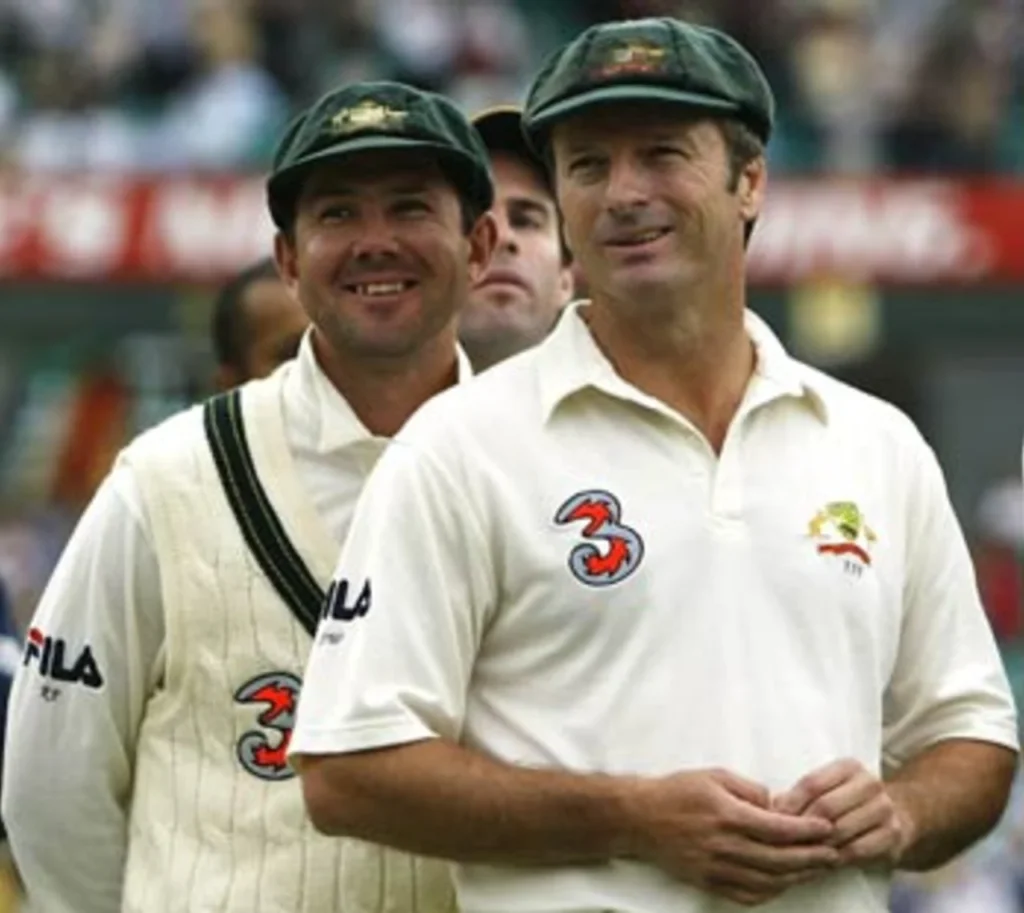
Steve Waugh occupies the 10th position in the Best Bowling Economy Rates in Australia vs India ODIs. The Australian all-rounder and former captain was known primarily for his batting and leadership, but he also made an important contribution as a bowler during his international career. Waugh played 53 matches against India between 1986 and 2001, giving him the highest number of appearances among the bowlers included in this ranking.
Waugh’s long record against India makes his inclusion particularly notable. Maintaining an economy rate below five runs per over across more than 257 overs required consistency and accuracy. His 43 wickets also demonstrate that he was capable of contributing to Australia’s bowling attack when needed. The statistics behind the Best Bowling Economy Rates in Australia vs India ODIs show that Waugh’s value came from combining useful wicket-taking with dependable run control.
| Span | Mat | Runs | Wkts | Econ |
| 1986-2001 | 53 | 1,267 | 43 | 4.92 |
9. A Kumble
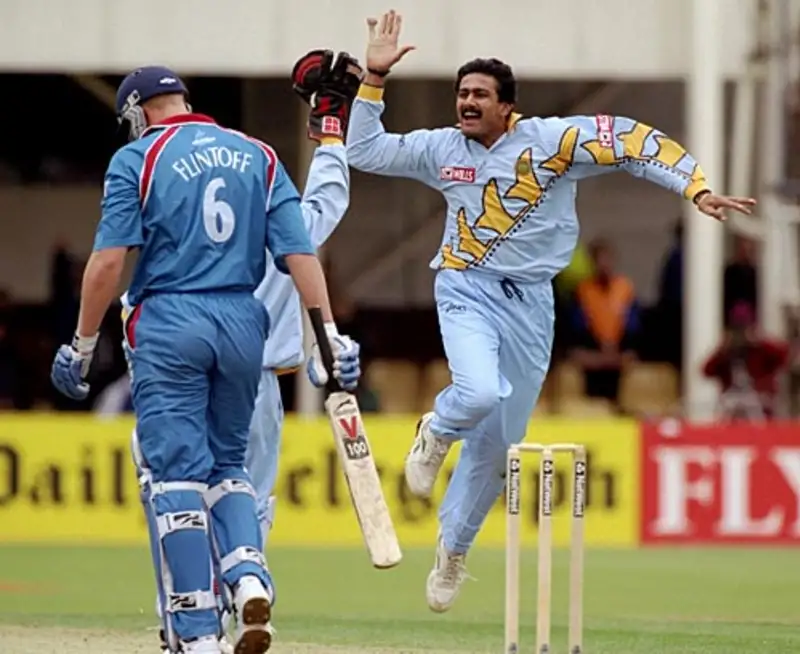
Anil Kumble ranks ninth in the Best Bowling Economy Rates in Australia vs India ODIs. The legendary Indian spinner played 29 matches against Australia between 1994 and 2004. During this period, he became one of India’s most dependable bowling options and regularly bowled long spells against a powerful Australian batting line-up.
Kumble’s place among the Best Bowling Economy Rates in Australia vs India ODIs reflects his remarkable consistency as a spinner. Australian batsmen were known for aggressive stroke play, making it important for opposition bowlers to maintain their line and length. Kumble’s economy rate of 4.89 demonstrates that he was able to restrict the scoring rate despite facing some of the strongest batsmen of his generation.
| Span | Mat | Runs | Wkts | Econ |
| 1994-2004 | 29 | 1,249 | 31 | 4.89 |
READ MORE: Top 10 Highest Partnerships for Australia vs India in ODIs
8. J Srinath
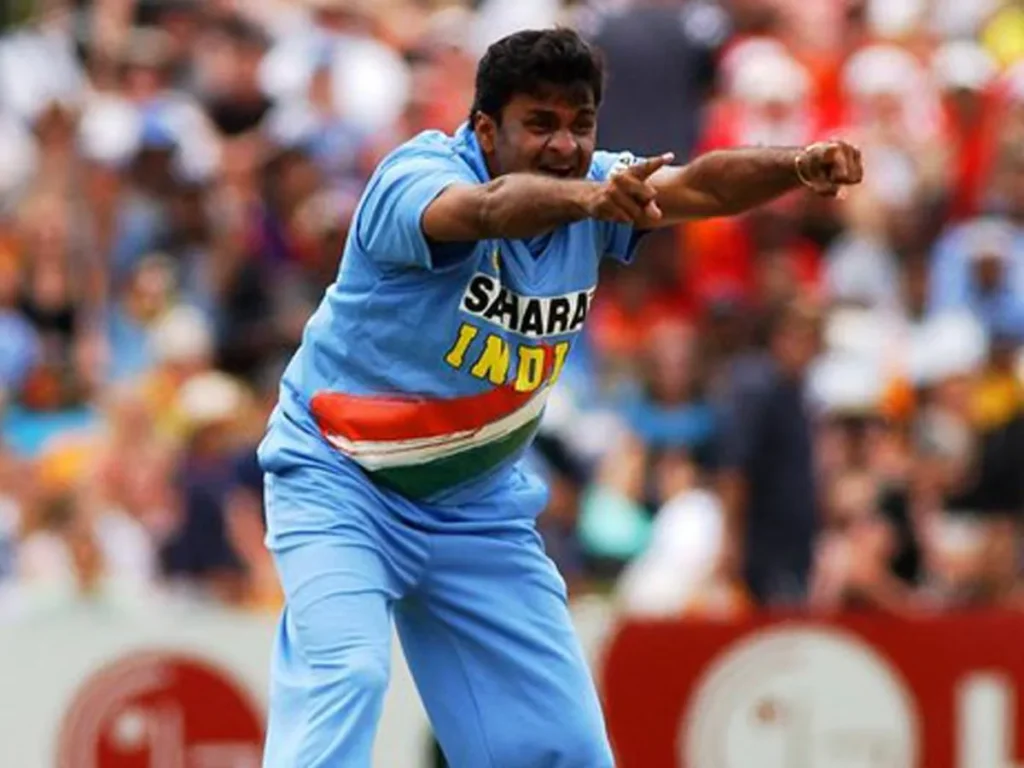
Javagal Srinath takes eighth place in the Best Bowling Economy Rates in Australia vs India ODIs. The Indian fast bowler played 29 matches against Australia between 1991 and 2003. Srinath was one of India’s leading pace bowlers during his international career and regularly carried significant responsibility with the new ball and during the middle stages of ODI innings.
Srinath’s inclusion in the Best Bowling Economy Rates in Australia vs India ODIs shows that India’s success in controlling Australia was not limited to spin bowling. His pace and accuracy provided India with an important weapon, particularly when early wickets were required. An economy rate of 4.89 across 248.1 overs is evidence of his ability to maintain pressure over extended periods.
| Span | Mat | Runs | Wkts | Econ |
| 1991-2003 | 29 | 1,214 | 33 | 4.89 |
7. Harbhajan Singh
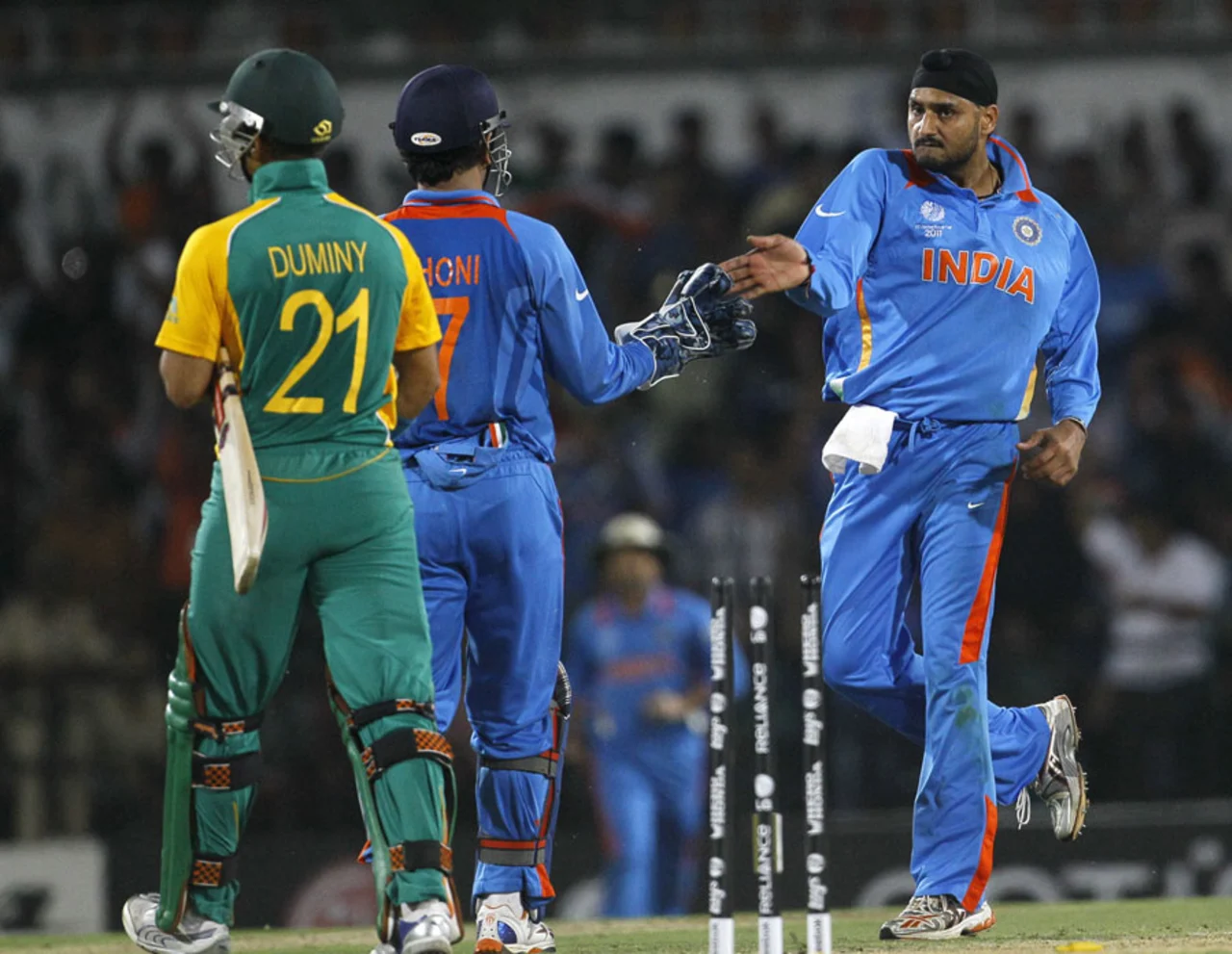
Harbhajan Singh occupies seventh place in the Best Bowling Economy Rates in Australia vs India ODIs. The Indian off-spinner played 35 matches against Australia from 1998 to 2011 and became one of India’s most important spin options during this period. He bowled extensively against Australia and often had to operate against aggressive batsmen in the middle overs.
The Best Bowling Economy Rates in Australia vs India ODIs demonstrate the value of Harbhajan’s ability to restrict scoring in the middle overs. His economy rate of 4.63 is particularly useful when considered alongside his 320.2 overs. He was not simply used as a defensive option; he also collected 32 wickets against Australia. His ability to build pressure made him an important part of India’s bowling plans during his career.
| Span | Mat | Runs | Wkts | Econ |
| 1998-2011 | 35 | 1,486 | 32 | 4.63 |
6. DW Fleming

Damien Fleming ranks sixth in the Best Bowling Economy Rates in Australia vs India ODIs. The Australian fast bowler played 20 matches against India between 1994 and 2001. Fleming was respected for his accuracy and ability to swing the ball, and those qualities helped him produce an impressive record against India’s batting line-up.
Fleming’s record is one of the stronger examples of balance between economy and wicket-taking in the Best Bowling Economy Rates in Australia vs India ODIs. He conceded fewer than 830 runs in more than 180 overs and still managed to take 28 wickets. His five-wicket haul further demonstrates that his economical approach did not prevent him from attacking the opposition when opportunities appeared.
| Span | Mat | Runs | Wkts | Econ |
| 1994-2001 | 20 | 828 | 28 | 4.58 |
5. B Lee

Brett Lee is fifth in the Best Bowling Economy Rates in Australia vs India ODIs. The Australian fast bowler played 32 matches against India from 2000 to 2012. Known for his pace and aggressive approach, Lee was also highly effective at taking wickets against India’s batsmen. His record shows that he could attack while maintaining a relatively controlled run rate.
Lee’s position in the Best Bowling Economy Rates in Australia vs India ODIs is especially impressive because his record combines an excellent wicket-taking rate with good economy. Taking 55 wickets in 32 matches indicates how consistently he threatened India’s batting order. His 4.49 economy rate also shows that his aggressive style did not result in excessive run leakage. This combination makes Lee one of the most complete performers in the ranking.
| Span | Mat | Runs | Wkts | Econ |
| 2000-2012 | 32 | 1,155 | 55 | 4.49 |
4. GD McGrath
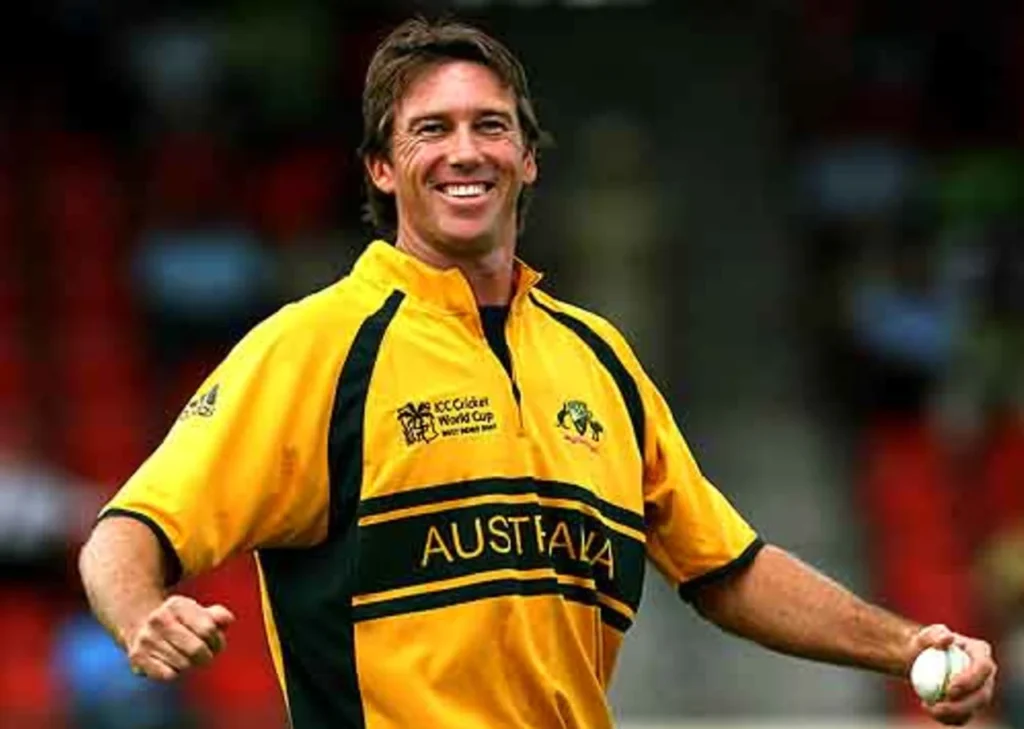
Glenn McGrath takes fourth place in the Best Bowling Economy Rates in Australia vs India ODIs. One of Australia’s greatest fast bowlers, McGrath played 25 matches against India between 1994 and 2006. His reputation was built on accuracy, consistency and the ability to repeatedly bowl in challenging areas for batsmen.
McGrath’s position among the Best Bowling Economy Rates in Australia vs India ODIs is supported by his ability to combine pressure with wickets. His 4.41 economy rate was achieved across more than 200 overs, making the figure even more significant. He conceded fewer than 1,000 runs while taking 34 wickets, providing Australia with a reliable bowling option throughout his period in the rivalry.
| Span | Mat | Runs | Wkts | Econ |
| 1994-2006 | 25 | 910 | 34 | 4.41 |
3. CJ McDermott

Craig McDermott occupies third place in the Best Bowling Economy Rates in Australia vs India ODIs. The Australian fast bowler played 22 matches against India between 1985 and 1994. His performances came during an important era of Australian cricket, and his ability to bowl long, controlled spells made him an effective part of the Australian attack.
McDermott’s 4.12 economy rate makes him one of the most impressive Australian bowlers in the Best Bowling Economy Rates in Australia vs India ODIs. His record is particularly strong because he maintained excellent control over almost 200 overs. His 30 wickets show that his bowling was also effective at breaking partnerships and putting India under pressure. His combination of control and wicket-taking ability earns him a place in the top three.
| Span | Mat | Runs | Wkts | Econ |
| 1985-1994 | 22 | 824 | 30 | 4.12 |
READ MORE: Top 10 Players With Most Dismissals in Australia vs India ODI Series
2. RJ Shastri
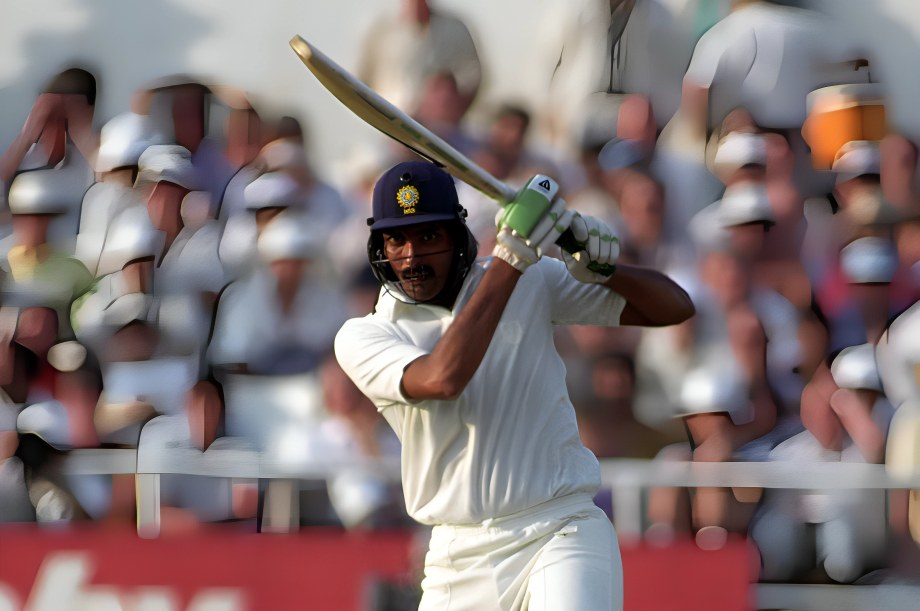
Ravi Shastri is second in the Best Bowling Economy Rates in Australia vs India ODIs with an outstanding economy rate of 3.80. The Indian all-rounder played 31 matches against Australia between 1983 and 1992. During this period, Shastri developed a reputation for bowling economically and giving India valuable control during the middle overs.
Shastri’s record is one of the major highlights of the Best Bowling Economy Rates in Australia vs India ODIs. Keeping the economy rate below four runs per over across 241.2 overs is a remarkable achievement. His 5/15 also proves that he could turn pressure into wickets when required. His ability to maintain a tight line while operating for long periods made him a highly valuable bowling all-rounder for India.
| Span | Mat | Runs | Wkts | Econ |
| 1983-1992 | 31 | 918 | 27 | 3.80 |
1. N Kapil Dev
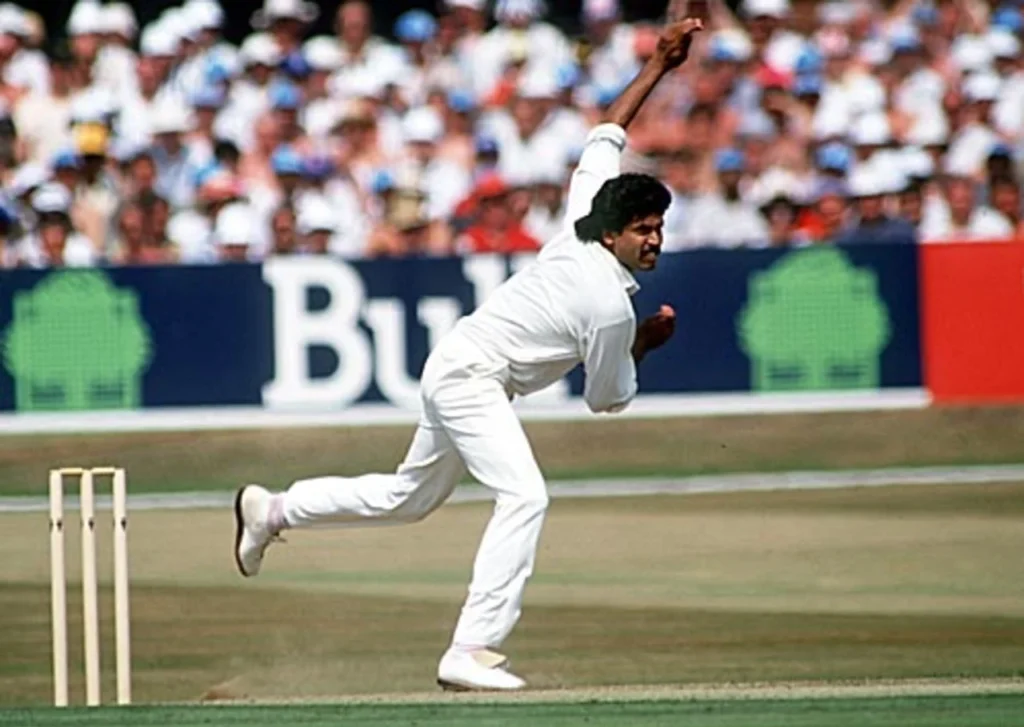
Kapil Dev tops the Best Bowling Economy Rates in Australia vs India ODIs with an exceptional economy rate of 3.67. The legendary Indian all-rounder played 41 matches against Australia between 1980 and 1994. During that period, he bowled a massive 338.4 overs, demonstrating the major responsibility he carried as one of India’s leading pace-bowling options.
Kapil Dev’s leading position in the Best Bowling Economy Rates in Australia vs India ODIs is particularly impressive because of the volume of bowling he completed against Australia. He bowled more than 338 overs while conceding 1,246 runs, resulting in a remarkable economy rate. His 45 wickets further demonstrate that he was not simply containing the opposition. Kapil could restrict scoring and regularly create breakthroughs, making his record one of the strongest overall bowling performances in the rivalry.
| Span | Mat | Runs | Wkts | Econ |
| 1980-1994 | 41 | 1,246 | 45 | 3.67 |
The Best Bowling Economy Rates in Australia vs India ODIs feature some of the most respected bowlers in the history of both countries. Kapil Dev leads the ranking with an economy rate of 3.67, followed by Ravi Shastri at 3.80 and Craig McDermott at 4.12. Glenn McGrath, Brett Lee and Damien Fleming also recorded impressive figures for Australia, while Harbhajan Singh, Javagal Srinath and Anil Kumble represent India’s strong bowling tradition.
The statistics behind the Best Bowling Economy Rates in Australia vs India ODIs show that economical bowling has played a major role in this rivalry. A low economy rate allows a bowling side to restrict the opposition’s scoring options, build pressure and create opportunities for wickets. Kapil Dev’s 3.67 stands out as the best figure in the supplied data, while Shastri’s 3.80 gives India the top two places.
FAQs
1. Who has the best bowling economy rate in Australia vs India ODIs?
Kapil Dev has the best bowling economy rate in the supplied statistics for Australia vs India ODIs. He recorded an impressive economy rate of 3.67 across 41 matches, while taking 45 wickets and conceding 1,246 runs.
2. Who is second in the Best Bowling Economy Rates in Australia vs India ODIs?
Ravi Shastri ranks second with an economy rate of 3.80. He played 31 matches against Australia, bowled 241.2 overs, conceded 918 runs, and took 27 wickets.
3. Which Australian bowler has the best economy rate against India?
Craig McDermott has the best economy rate among the Australian bowlers in the supplied list. He recorded an economy rate of 4.12 in 22 matches, taking 30 wickets while conceding 824 runs.
4. Who has taken the most wickets among the top 10 bowlers?
Brett Lee has taken the most wickets among the players in this ranking. He claimed 55 wickets in 32 matches against India, with an economy rate of 4.49 and best bowling figures of 5/27.
5. Why is bowling economy rate important in Australia vs India ODIs?
Bowling economy rate measures the runs a bowler concedes per over. A lower economy rate indicates stronger run control and can help build pressure on the batting team. In the Best Bowling Economy Rates in Australia vs India ODIs, players such as Kapil Dev, Ravi Shastri and Craig McDermott stand out because they consistently restricted scoring while also taking wickets.